
Trust YF Vets to support you with clear, evidence-based advice and timely treatment for life-threatening emergencies, delivered by an experienced veterinary team who tailor care to your pet’s needs; you can rely on their range of services from preventive wellness and routine checks to urgent interventions, all designed to keep your companion healthy and safe while fitting your lifestyle and budget.
Overview of YF Vets
History and Evolution
YF Vets has grown with the community, expanding services across Harrogate and wider North Yorkshire to meet local needs; you’ll find a practice that moved from basic first-opinion care into offering routine surgery, diagnostics and tailored preventive clinics, earning a reputation as a trusted local provider for dog owners who need dependable, practical veterinary support.
Mission and Values
The practice focuses on evidence-based, compassionate care that keeps your dog well for life; routine checks, weight management and preventive plans are covered by our Pet Wellness Plan so you can manage long-term health affordably while staying on top of spaying decisions with clear guidance from the team.
When you discuss spaying, the team applies those values in practical ways: they assess breed, age and medical history to weigh benefits and risks, explain that spaying reduces the risk of pyometra and mammary tumours when timed appropriately, and set out a clear perioperative plan including post-operative monitoring and pain relief. You’ll get personalised recovery instructions, follow-up checks and advice on how spaying fits into your dog’s wider preventive schedule – for example you can often combine spaying with routine dog vaccinations or plan procedures around other treatments to limit stress and hospital visits.
If you’re unsure when to spay your dog, book a consultation with our vets to get personalised advice.
Qualified Veterinary Team
Team Expertise and Specialisations
Your care is delivered by a multidisciplinary team of veterinary surgeons and registered veterinary nurses with special interests in anaesthesia, reproductive medicine and geriatric care; several clinicians have >5 years’ surgical experience and lead on high‑risk spay protocols for brachycephalic and giant breeds. Post‑operative checks and long‑term wellbeing are routinely planned as part of our Pet Wellness Plan, so you know follow‑up and prevention are covered.
Continuous Education and Training
The team completes regular clinical training, simulation drills and external CPD so your dog benefits from current best practice; vets also coordinate timing with routine care and can often combine spaying with routine dog vaccinations to minimise visits. This focus on training reduces anaesthetic time and improves recovery for your pet.
Each month the Harrogate team holds clinical governance meetings and quarterly surgical audits to review outcomes, share lessons and update protocols; in the last 12 months staff completed targeted anaesthesia and pain‑management workshops and introduced a revised peri‑operative checklist after a case review reduced recovery delays. You’ll notice practical benefits: shorter monitored recovery periods, clearer home‑care instructions and faster identification of issues such as bleeding or infection, because the team tracks outcomes and updates practice to lower risk and improve comfort for your dog.
If you’re unsure when to spay your dog, book a consultation with our Harrogate vets to get personalised advice.
Comprehensive Range of Services
Routine Check-ups and Preventive Care
You’ll have regular wellness checks to monitor weight, coat condition and reproductive health, with vaccination and parasite control timed to reduce surgical risk; many preventive visits can be part of our Pet Wellness Plan and you can combine spaying with routine dog vaccinations to minimise appointments-spotting issues early prevents complications and untreated infections can become serious.
Diagnostic Services
You’ll benefit from in-house blood tests, urinalysis and imaging so problems like anaemia, infection or suspected pyometra are identified quickly; these diagnostics let your vet tailor anaesthesia and surgical timing to keep your dog safer.
For deeper assessment you’ll see ultrasound for abdominal checks, digital X-rays for the chest and orthopaedics, and rapid haematology/biochemistry panels with results within hours, helping detect silent conditions such as early mammary tumours or uterine infection; you can also arrange dental X‑rays along with regular dog dental care so oral health doesn’t complicate anaesthesia or recovery.
Surgical Procedures
Your spay (ovariohysterectomy) is performed under monitored anaesthesia with multi-modal pain relief and strict asepsis; vets tailor the approach to your dog’s size, age and health so the procedure is as safe and effective as possible.
Pre‑op checks include bloodwork and physical exam, and most healthy dogs return home the same day; you’ll receive clear post‑op instructions, a schedule for analgesia and wound checks, and should expect a typical recovery window of 7-14 days during which activity must be restricted to prevent complications.
Emergency Care
If your dog shows heavy bleeding, collapse, severe abdominal pain or signs of systemic illness after a heat cycle or surgery, you must seek urgent attention because conditions like pyometra or post‑op haemorrhage can be life‑threatening.
Emergency assessment includes rapid stabilisation, IV fluids, immediate blood tests and expedited imaging to decide whether emergency surgery is needed; timely intervention often changes outcomes dramatically, so contacting your vet at the first severe sign can be lifesaving.
If you’re unsure when to spay your dog, book a consultation with our vets to get personalised advice.
Commitment to Compassionate Care
Understanding Pet Behaviour
You’ll get tailored behavioural insight around spaying: many bitches have their first season between 6-9 months for small breeds and 12-18 months for large breeds, and signs such as a swollen vulva or bloody discharge typically last 2-3 weeks. Our team explains why we usually avoid operating during oestrus-surgery then carries a higher bleeding risk-and how to spot urgent signs like heavy bleeding or collapse. Routine behaviour checks and weight monitoring are covered by our Pet Wellness Plan.
Owner Support and Guidance
You’ll receive clear pre-op instructions on fasting, medication and travel, plus step-by-step aftercare: expect same-day discharge for most patients, pain relief prescribed for at least 3-5 days, and advice on limiting activity for 10-14 days. We can also help you combine spaying with routine dog vaccinations if timing suits your dog’s preventive care schedule.
After surgery we give written care plans and phone support; for example, check the incision twice daily for swelling, redness or discharge and contact us if you see fever, persistent bleeding or severe lethargy. Most dogs return to gentle lead walks within 3-5 days and full activity after 10-14 days, and absorbable sutures mean fewer follow-up visits for many patients-however, we arrange suture checks at 10-14 days when needed and tailor analgesia for older or anxious dogs so you and your pet feel supported throughout recovery.
If you’re unsure when to spay your dog, book a consultation with our vets to get personalised advice.
Advanced Facilities and Technology
- Digital imaging that delivers instant X-ray images to speed up diagnosis and treatment planning.
- In-house laboratory services giving blood and urine results within 30-60 minutes for safe pre-op assessment.
- Comprehensive anaesthetic monitoring (ECG, capnography, pulse oximetry) to reduce risk during surgery.
- Dedicated sterile operating theatres and trained surgical teams to minimise infection and shorten anaesthesia time.
- Comfort-focused recovery areas with climate control, bedding, and separate cat/dog spaces to lower post-op stress.
- Electronic patient records for accurate medication, vaccination and follow-up scheduling as part of long-term care.
Facility / Technology vs Benefit for your dog
| Digital Radiography | Produces diagnostic-quality images in seconds so you get faster treatment decisions for trauma or suspected complications. |
| In-house Pathology | Pre-op chemistry and haematology returned within 30-60 minutes, identifying anaemia, dehydration or clotting issues before anaesthesia. |
| Anaesthetic Monitoring Suite | Continuous ECG, SpO2 and capnography monitoring reduces peri-operative risk and enables tailored anaesthetic plans for older or high-risk patients. |
| Sterile Operating Theatres | Controlled environment and modern instruments minimise infection risk and support faster, safer recovery after spay surgery. |
| Recovery & Isolation Rooms | Temperature-controlled, low-noise spaces with individual bedding cut stress and help you reunite with a calmer pet after procedures. |
| Electronic Records & Scheduling | Accurate medication histories and reminders make follow-up and preventive care easier, and many checks are covered by our Pet Wellness Plan. |
State-of-the-Art Medical Equipment
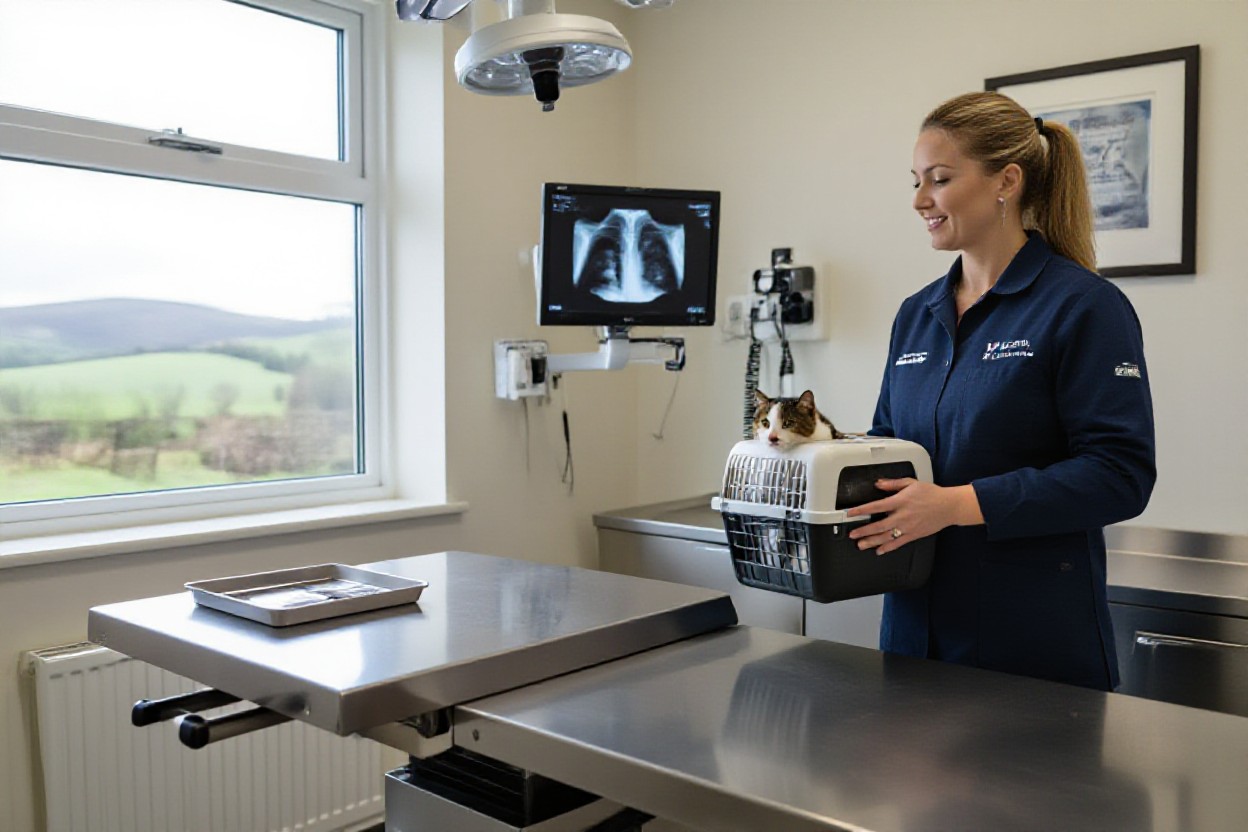
You benefit from equipment designed to improve safety and outcomes: digital X-rays for immediate imaging, rapid in-house blood testing that flags kidney or clotting problems before anaesthesia, and continuous monitoring (ECG, SpO2, capnography) during surgery so your vet can adjust anaesthesia in real time.
Comfortable Environment for Pets
Your dog recovers in quiet, climate-controlled recovery rooms with soft bedding and separate cat/dog areas to reduce anxiety; staff perform hourly checks after surgery and use low-stress handling to speed recovery and reduce complications.
Staff routinely schedule procedures to minimise waiting times and you can often combine spaying with routine dog vaccinations or other preventive care to reduce trips; having a calm recovery space plus clear post-op instructions means your dog is less likely to develop stress-related behaviours or delayed healing.
If you’re unsure when to spay your dog, book a consultation with our vets to get personalised advice.
Client Testimonials and Success Stories
Positive Experiences from Local Pet Owners
Owners tell you about clear communication, gentle handling and prompt follow-ups that made a real difference after spaying; many note fast recoveries and relief from anxiety about surgery, with dozens of reviews praising the team’s compassion. Several clients also appreciate that spaying can be covered by our Pet Wellness Plan, which helps you manage the cost while keeping your dog on a preventive healthcare schedule.
Case Studies of Exceptional Care
You’ll see practical examples where timely assessment and tailored anaesthesia reduced complications, and where concurrent procedures were safely scheduled so dogs had one anaesthetic instead of two; we sometimes combine spaying with routine dog vaccinations to minimise visits and stress. Outcomes focused on rapid discharge and low complication rates.
- Case Study 1: 4-year-old Labrador, elective spay; theatre time 45 minutes, discharged same day; 24‑hour check recorded 0% surgical site infection, full recovery at 10 days.
- Case Study 2: 8-month-old crossbreed, early-age spay; anaesthesia duration 35 minutes, weight gain monitored; pain scores reduced by 60% with multimodal analgesia, no behavioural decline at 3‑month follow-up.
- Case Study 3: 9-year-old entire bitch with pyometra (emergency); emergency ovariohysterectomy, 72‑hour hospital stay, survival and discharge with ongoing monitoring; long-term infection risk mitigated by targeted antibiotics and follow-up.
- Case Study 4: 2-year-old spaniel with concurrent hernia repair; combined surgery under one anaesthetic, total theatre time 75 minutes, returned to normal activity in 14 days, owner satisfaction score 9/10.
- Practice Figures: 1,200+ elective neutering procedures in the past 24 months, average complication rate 1.8%, average post-op review attendance 92% within 7 days.
Digging deeper into these examples shows how you benefit from individualised assessment: pre-op bloodwork and tailored anaesthesia plans cut risks, and clear post-op instructions plus scheduled checks reduce readmissions. You can expect detailed recovery targets-such as walking within 24-48 hours and suture checks at 7-10 days-so the team tracks progress and intervenes quickly if needed.
- Follow-up Metrics: 92% of spayed dogs attended a 7-10 day post-op check; readmission for wound issues was 0.7% in that cohort.
- Pain Management Outcomes: Use of multimodal analgesia reduced average pain-score duration by 55% versus single-agent protocols in a 6‑month audit.
- Owner Satisfaction: Post-op survey: 88% rated communication “excellent,” 94% would return for future surgery.
- Complex Case Success: Emergency pyometra cases: 30 treated in 18 months with 100% peri-operative survival and monitored long-term recovery plans.
- Puppy Pathway: For juvenile spays, 120 procedures were coordinated alongside preventive care visits to streamline recovery and reduce stress for your dog.
If you’re unsure when to spay your dog, book a consultation with our vets to get personalised advice.
Community Involvement and Outreach
Support for Local Animal Charities
You’ll see YF Vets regularly partner with rescue groups by hosting adoption days, donating supplies and offering advice on long-term care; many rescued dogs leave with starter treatments and vaccinations covered by our Pet Wellness Plan, reducing immediate costs for shelters. Volunteers from the practice also help run low-cost neutering or voucher schemes that prevent unwanted litters, and these efforts directly lower local stray numbers and ease pressure on Harrogate rescues.
Educational Workshops and Events
When you attend a workshop you get practical, hands-on advice on spaying timing, post-op care and behaviour change, with short one-to-one opportunities offered during your puppy’s vaccination appointments for owners who can’t make evening sessions. Sessions include Q&A, printed care plans and real-case examples so you leave knowing what to ask at your next vet visit.
For more depth, the practice typically runs a series of sessions across the year-covering topics such as breed-specific spay timing (small breeds often discussed for 5-6 months, larger breeds for later), recognising complications like infection or wound issues, and practical recovery tips you can use at home; workshops usually feature case studies from local dogs and clear checklists so you know when to seek help and how to support your pet’s recovery.
If you’re unsure when to spay your dog, book a consultation with our Harrogate vets to get personalised advice.
Final Words
Presently you can trust YF Vets because you get local, experienced clinicians who tailor care to your dog’s needs, clear explanations about timing and risks, and practical follow-up for recovery and long-term wellbeing; their preventive approach and modern facilities give you confidence across routine care and surgical procedures – if you’re unsure when to spay your dog, book a consultation with our vets for personalised advice.
FAQ
Q: What makes YF Vets a trusted choice for pet care in North Yorkshire?
A: YF Vets combines experienced clinical teams, local knowledge and practical preventive care. We offer clear pre- and post-operative protocols for procedures such as spaying, evidence-based advice tailored to each pet and continuity of care through routine appointments. Many preventive checks and ongoing health work are covered by our Pet Wellness Plan, which helps owners plan for long-term wellbeing rather than one-off visits.
Q: How safe are spay operations at YF Vets and what steps reduce surgical risk?
A: Safety is managed through individual pre-op assessments (clinical exam and blood tests where indicated), modern anaesthesia and monitoring, and multimodal pain relief before, during and after surgery. Surgeons and nursing staff follow UK best-practice protocols for asepsis and recovery monitoring. For older or higher-risk patients we recommend additional tests and tailored anaesthetic plans; your vet will explain these and the expected recovery timeline.
Q: Will spaying change my dog’s behaviour or long-term health?
A: Spaying removes the risk of heat cycles and pyometra and substantially reduces the chance of mammary tumours when performed before hormone exposure, but effects on behaviour vary. Some dogs become less likely to roam or show mating-driven behaviours; others show no major personality change. Possible downsides can include a tendency to gain weight if calorie intake isn’t adjusted and, in a small number of breeds, an increased risk of urinary incontinence if spayed very early. Your vet will balance benefits and risks for your dog’s breed, age and lifestyle.
Q: When is the best time to spay a female dog and how do you decide for puppies?
A: There is no single “best” age for every dog. Timing depends on breed, size, health, and your dog’s reproductive status. Small breeds are often ready earlier than large or giant breeds, where waiting until skeletal growth is further advanced can be appropriate. We discuss options at routine visits and can coordinate timing with puppy care-sometimes scheduling consideration can be made during your visits for vaccinations or preventive checks, such as during your puppy’s vaccination appointments-to reduce repeat trips and ensure a smooth pre-op assessment.
Q: How do I get personalised advice and arrange spay surgery with YF Vets?
A: We assess each dog individually during a clinical consultation and provide a clear plan covering pre-op tests, anaesthesia, pain control and post-op care. We explain expected recovery, activity restrictions and follow-up checks so you know what to expect. If you’re unsure when to spay your dog, book a consultation with our vets to get personalised advice.