
Pets depend on timely, competent care, so when you choose a vet in North Yorkshire you should prioritize registered, experienced veterinarians, clear communication about treatments, and practical location access. Check that the clinic offers 24/7 emergency or reliable out-of-hours cover, transparent fees, and positive local reviews. Visit to assess cleanliness, staff compassion, and diagnostic equipment, and ensure your pet’s needs match the practice’s expertise before you commit.
Understanding Your Pet’s Needs
Assess your pet by species, age and lifestyle: a 9-year-old Labrador with early arthritis needs routine joint checks and weight management, whereas a young indoor cat needs vaccination and dental monitoring. In rural North Yorkshire you should factor in higher tick and lungworm exposure and choose a practice with parasite prevention programs and timely diagnostic services like in-house labs or imaging for faster treatment decisions.
Assessing Health Requirements
Map out a care schedule: puppies and kittens typically start vaccinations at 8-16 weeks with follow-up boosters, seniors often benefit from twice-yearly exams and bloodwork after age seven, and chronic conditions usually require reviews every 8-12 weeks. Check whether your vet offers urgent access and emergency pathways, plus dental assessments-untreated oral disease can lead to systemic illness.
Considering Species-Specific Care
Different species need tailored services: rabbits require regular dental checks and a high-fibre diet, birds and reptiles need an avian/exotic-savvy vet, and dogs may need breed-specific screening. Seek practices that offer or refer for specialist diagnostics-dental x-rays, endoscopy or exotic clinics-to manage high-risk issues like rabbit molar overgrowth or reptile metabolic bone disease.
For example, brachycephalic dogs (pugs, Frenchies) often need respiratory assessments and anaesthesia planning; large-breed puppies benefit from growth and joint-monitoring programs and access to BVA/KC hip scoring or early radiography. If you keep exotics, confirm your vet provides species-appropriate anaesthesia and husbandry advice. Ask for case examples or outcomes-practices that share successful joint surgeries or rabbit dental rehab demonstrate practical expertise you can rely on.
Researching Local Veterinary Clinics
Begin by mapping clinics within a 20‑mile radius of your postcode, checking opening hours, 24/7 emergency cover, and average drive times-aim for practices reachable within 30 minutes for urgent care. Look up the clinic on the RCVS Practice Finder, note if they list specialists or referral links, and verify whether they offer services you need like dental surgery, physiotherapy or routine vaccination clinics.
Exploring Credentials and Qualifications
Check that every vet is registered with the Royal College of Veterinary Surgeons (RCVS) and that nurses are RCVS‑registered; seek practices with vets holding certificates or diplomas (for example, RCVS certificates or European/RCVS diplomas) in surgery, internal medicine or feline medicine. Also note practice accreditations such as ISFM Cat Friendly or RCVS accredited status and whether the team includes at least two vets for continuity of care.
Reading Reviews and Testimonials
Scan reviews on Google, Facebook and local forums, focusing on patterns over single comments; a sample of 50+ reviews gives more reliable insight, while multiple recent mentions of long waits, unexpected bills or poor post‑op care are red flags. Pay attention to how the practice replies to negatives-prompt, professional responses indicate better client communication and accountability.
When analysing reviews, prioritise mentions of emergency response times, infection control and outcome consistency. Filter by the most recent 6-12 months, compare 1‑star and 5‑star themes, and flag repeated reports of billing surprises or surgical complications. If in doubt, ask the practice for client references or contact local rescues in North Yorkshire for firsthand recommendations.
Evaluating Services Offered
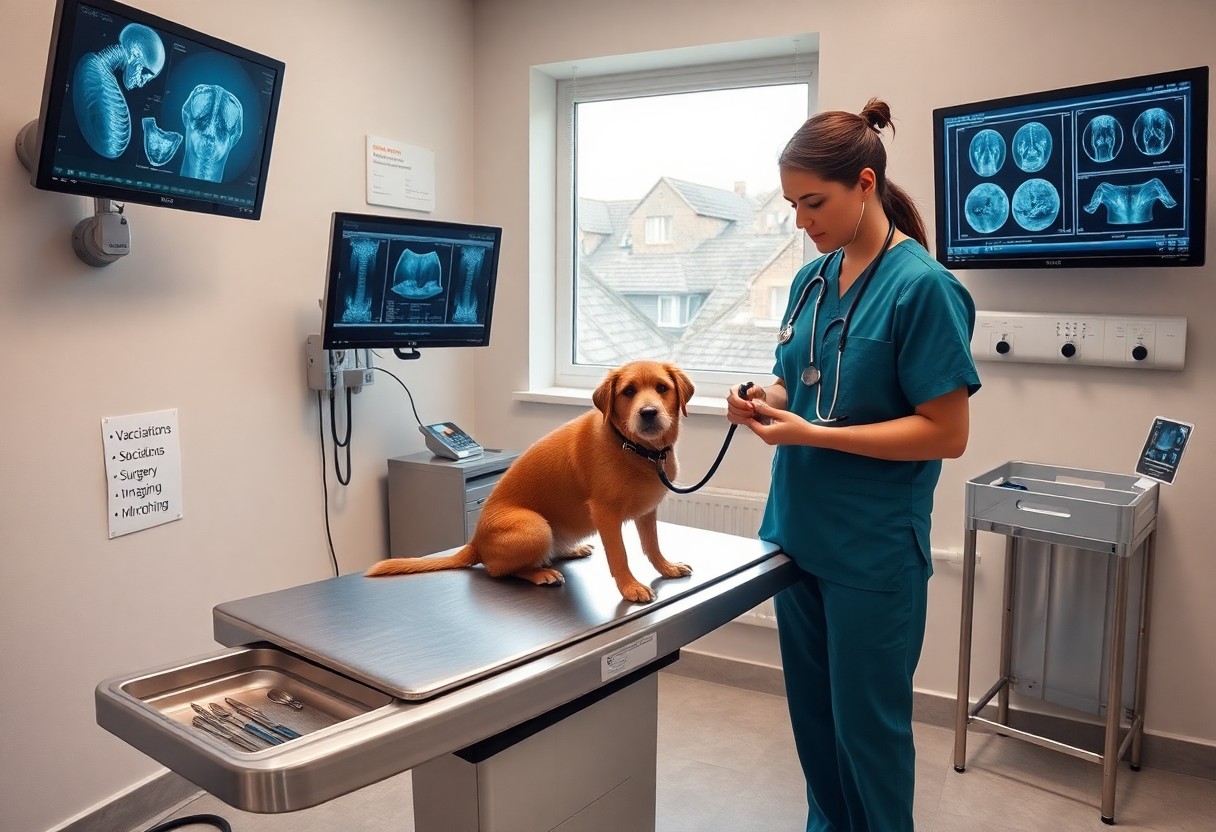
Assess what each practice actually provides beyond basics: you should confirm access to digital X‑ray, ultrasound, in‑house lab, dental care and whether they perform soft‑tissue or orthopaedic surgery; larger clinics often hold RCVS‑accredited hospital status and referral links to regional centres. Map these services within your 20‑mile radius and compare examples – a clinic offering endoscopy and advanced imaging will handle more complex problems in‑house than one limited to routine appointments.
Routine Care vs. Specialized Treatments
For everyday needs you’ll want vaccinations, parasite control, microchipping, neutering and dental scaling; puppies and kittens typically need initial vaccinations around 8-12 weeks with boosters thereafter. If your pet is a brachycephalic breed, senior, or has chronic disease, you’ll require clinics offering cardiology, oncology, orthopaedics or advanced imaging (CT/MRI) and clear referral pathways to specialists.
Emergency Services Availability
Emergency cover should be a deciding factor: check if the practice provides 24/7 emergency care, has on‑site overnight nursing and a theatre, or has formal arrangements with an emergency provider (for example Vets Now) within your travel window; aim for services located within your preferred 20‑mile / ~30‑minute radius so you can reach help quickly for life‑threatening issues.
Ask whether emergency care is delivered on‑site or by referral, whether they accept walk‑ins, and what stabilisation they can provide (IV fluids, oxygen, blood transfusion capability). You should verify if the clinic has a theatre available for overnight surgery, an intensive care area, and formal transfer agreements with regional hospitals (Leeds and other referral centres) for complex cases such as GDV or severe trauma.
Visiting Potential Vets
When you visit potential vets, book a short tour and a 10-15 minute meet-and-greet so you can assess staff and facilities; bring your pet’s vaccination card and a list of medications. Prioritise practices that offer 24/7 emergency cover or clear referral pathways, show transparent pricing, and have at least one dedicated isolation room. Notice how staff interact with animals-calm, confident handling indicates good training and safer care for your pet.
Questions to Ask During the Visit
Ask how many vets are on duty and whether they provide 24/7 emergency cover, typical consult length (10-15 minutes vs 20+), nurse-to-vet ratios, and whether they use in-house diagnostics (x‑ray, ultrasound, bloodwork). Check policy on referrals, payment and insurance acceptance, vaccination protocols, and post-op pain management. You should also request examples of recent complex cases they handled and outcome rates to gauge experience.
Observing the Clinic Environment
Pay attention to cleanliness, noise levels, and smell; a faint disinfectant smell is fine, while strong odours or sticky floors signal poor housekeeping. Look for separate cat and dog waiting areas, visible infection control procedures, an isolation room, functioning PPE for staff, and clear signage for emergencies. Friendly, informed reception staff often reflect well-organised clinical care and smoother appointments for you and your pet.
Check for specific equipment and routines: an autoclave sterilizer for instruments, dedicated dental unit, and sealed, easy‑clean surfaces. Observe whether staff clean exam tables between patients and log infection-control steps; lack of surface cleaning or open cages near the reception area raises cross-infection risks. If possible, note appointment punctuality-frequent delays of 30+ minutes can indicate understaffing, which affects continuity of care for your pet.
Factors Influencing Your Choice
Balance clinical competence, facilities, and client communication when you weigh options: check qualifications (RCVS or postgraduate certificates), equipment such as digital x-ray and in-house lab, and whether the practice offers emergency or referral links. Inspect online reviews and local recommendations; clinics with dedicated feline or behaviour services often have better outcomes for anxious pets. Compare appointment availability-same-day slots versus multi-day waits-and demand clear price estimates. Thou prioritise emergency access, specialist skills, or routine preventive care based on your pet’s needs.
- Location
- Cost
- Out-of-hours care
- Specialist services
- Accreditation
Location and Accessibility
Distance and transport shape your practical choice: in Harrogate or Scarborough you may reach a clinic in 10-15 minutes, while rural Dales residents commonly face 20-40 minute drives. Check parking, public transport links, and whether the practice offers home visits or telemedicine for routine checks; confirm out-of-hours transfer arrangements to the nearest referral centre (often in Leeds or York). You should test the route at peak times to gauge real travel delays.
Cost and Payment Options
Expect routine consultations of about £25-£60, vaccinations £40-£70 and neutering or routine surgeries £120-£300, with emergency treatment potentially exceeding £1,000. Ask if the practice accepts card/contactless, offers monthly payment plans, or supports direct insurer claims, and whether written estimates are provided before treatment. Prioritise practices that publish prices and assist with pet insurance to reduce unexpected bills.
Drill into inclusions and extra charges: some clinics bundle follow-ups and pain relief while others bill per visit-dental work often runs £80-£200 plus extra for extractions. If you hold insurance, confirm electronic claim capability or itemised invoices to speed reimbursement. Also check for value options like preventative bundles, vaccination clinics, or charity-funded neutering schemes in North Yorkshire, and weigh short-term savings against potential emergency cost exposure.

Building a Relationship with Your Vet
Choose a practice where you and your pet see the same clinician for routine care; consistency reduces stress and improves diagnostic accuracy. Bring prior records and keep a small home file of vaccines, medications and behavioural notes to share-this speeds triage and avoids repeating tests. Ask about appointment reminders, online portals and nurse-run clinics; many North Yorkshire practices offer telephone triage and repeat-prescription services that cut unnecessary visits for stable conditions.
Importance of Communication
Insist on clear, written treatment plans, cost estimates and named contacts for after-hours advice so you can act quickly when needed. Use direct questions like “what are likely outcomes, timelines and red flags?” and ensure the practice documents your pet’s preferences and reactions to medications. If a vet flags a post-op complication-heavy bleeding, persistent vomiting or high fever-expect a same-day response via phone or emergency referral.
Regular Check-ups and Follow-ups
Agree a recall schedule that suits your pet’s life stage: puppies and kittens at 8, 12 and 16 weeks, adults yearly and seniors every 6 months; dental checks often recommended annually. Confirm specific follow-up windows for procedures-typically a 48-72 hour post-op check and suture review at 10-14 days-and request electronic reminders so nothing is missed.
For chronic conditions, set measurable targets and monitoring intervals: blood tests every 3-6 months for renal or endocrine disease, weight and mobility reviews every 1-3 months for osteoarthritis, and dental scale/polish reviews yearly. In practice, a 10-year-old Labrador on osteoarthritis meds may need dose adjustments after a 6-week reassessment and formal reassessment every 3 months; ask that test results and action plans be emailed to you. Always flag and report urgent signs-open wounds, difficulty breathing, collapse or uncontrollable bleeding-to the practice immediately for triage and emergency care.
To wrap up
The right vet in North Yorkshire balances veterinary expertise, clear communication, and local accessibility; you should evaluate qualifications, emergency coverage, client reviews, and your pet’s comfort during visits. Trust your instincts, ask practical questions about services and costs, and choose a practice that aligns with your priorities and your pet’s needs.
FAQ
Q: How do I find reputable vets in North Yorkshire?
A: Use the RCVS practice finder to confirm registration, check Google and Facebook reviews for local feedback, ask neighbours or pet-focused community groups, and look for recommendations from local rescue centres or groomers. Verify distance and travel time, plus whether the practice offers out-of-hours cover or has a local emergency partner.
Q: What qualifications and accreditations should I check?
A: Ensure the vet and practice are registered with the Royal College of Veterinary Surgeons (RCVS). Look for additional certifications or memberships (e.g., BSAVA, ISFM for cats) and any practice awards or hospital-level accreditation. Ask about the experience of the vet with your species/breed and whether nurses hold professional qualifications.
Q: Which services and treatments should a good practice provide?
A: A comprehensive practice should offer routine care (vaccinations, microchipping, neutering), dental treatment, diagnostic imaging and blood testing, soft-tissue and orthopaedic surgery, and clear emergency or referral pathways. For specific needs, check availability of senior pet clinics, behaviour support, and long-term chronic disease management.
Q: How can I assess the practice environment and staff before committing?
A: Visit or call to evaluate cleanliness, how staff interact with animals and owners, appointment availability, and waiting area setup (separate cat/dog spaces if needed). Ask to meet the vet who would treat your pet, request a tour of facilities, and note how questions are handled and whether treatment options and costs are explained clearly.
Q: What should I consider about cost, insurance, and payment options?
A: Ask for written estimates for routine and likely emergency procedures, whether the practice offers payment plans or accepts pet insurance direct claims, and what typical consultation and surgery fees are. Compare fee transparency between nearby clinics, check policies on second opinions, and confirm any additional charges (hospitalisation, overnight care, medications).