

Over the next few weeks, you’ll be navigating the crucial journey of getting your puppy vaccinated. These important vaccinations protect your furry friend from serious illnesses and help them lead a healthy life. By understanding the vaccination schedule and the specific diseases that affect puppies in the Harrogate and Wetherby area, you can ensure that your pup gets the best start possible. This guide will equip you with the knowledge to make informed decisions for your puppy’s health and well-being.
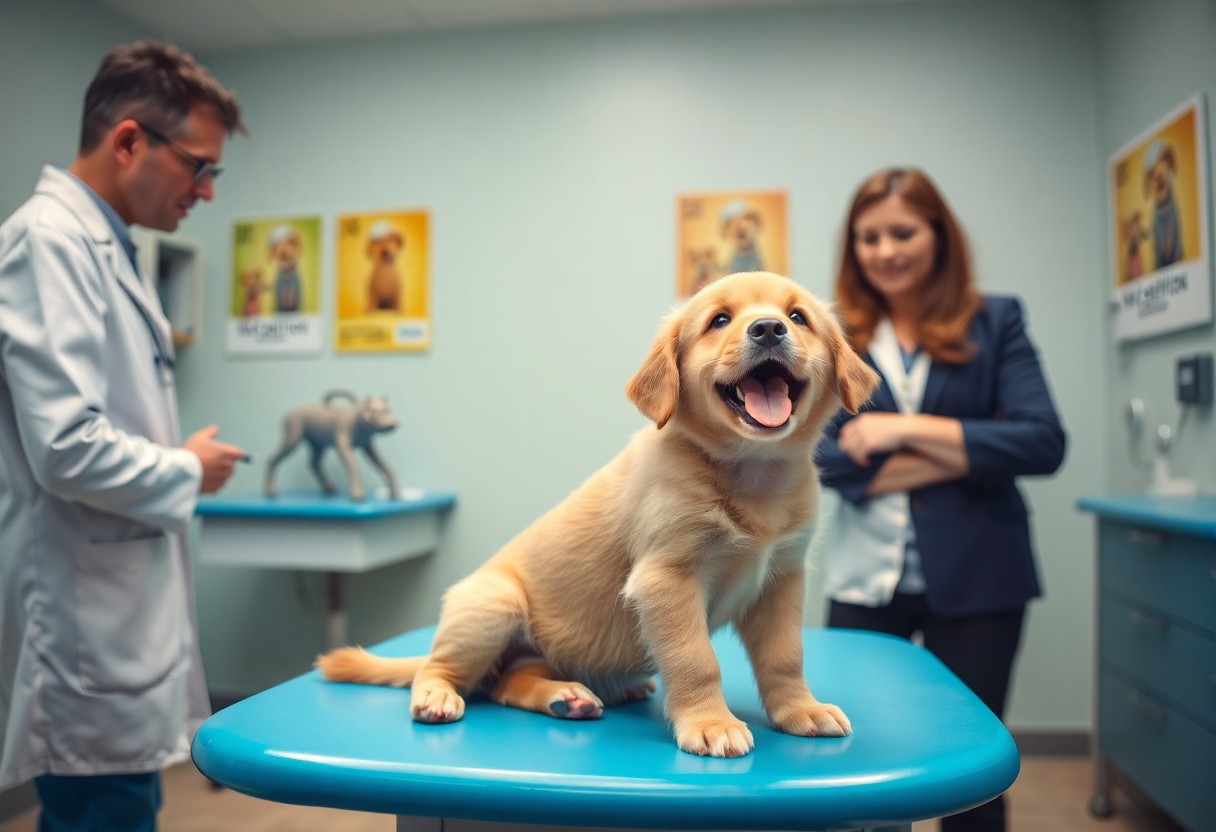
Key Takeaways:
- Puppies should receive their first vaccinations between 6 to 8 weeks of age.
- Core vaccinations include distemper, parvovirus, and infectious hepatitis.
- Consult with a local vet to establish a vaccination schedule tailored to your puppy’s needs.
- Post-vaccination monitoring for side effects is important; report any adverse reactions to your vet.
- Maintaining a vaccination record is vital for future vet visits and travel requirements.
Timeline of Essential Puppy Vaccines
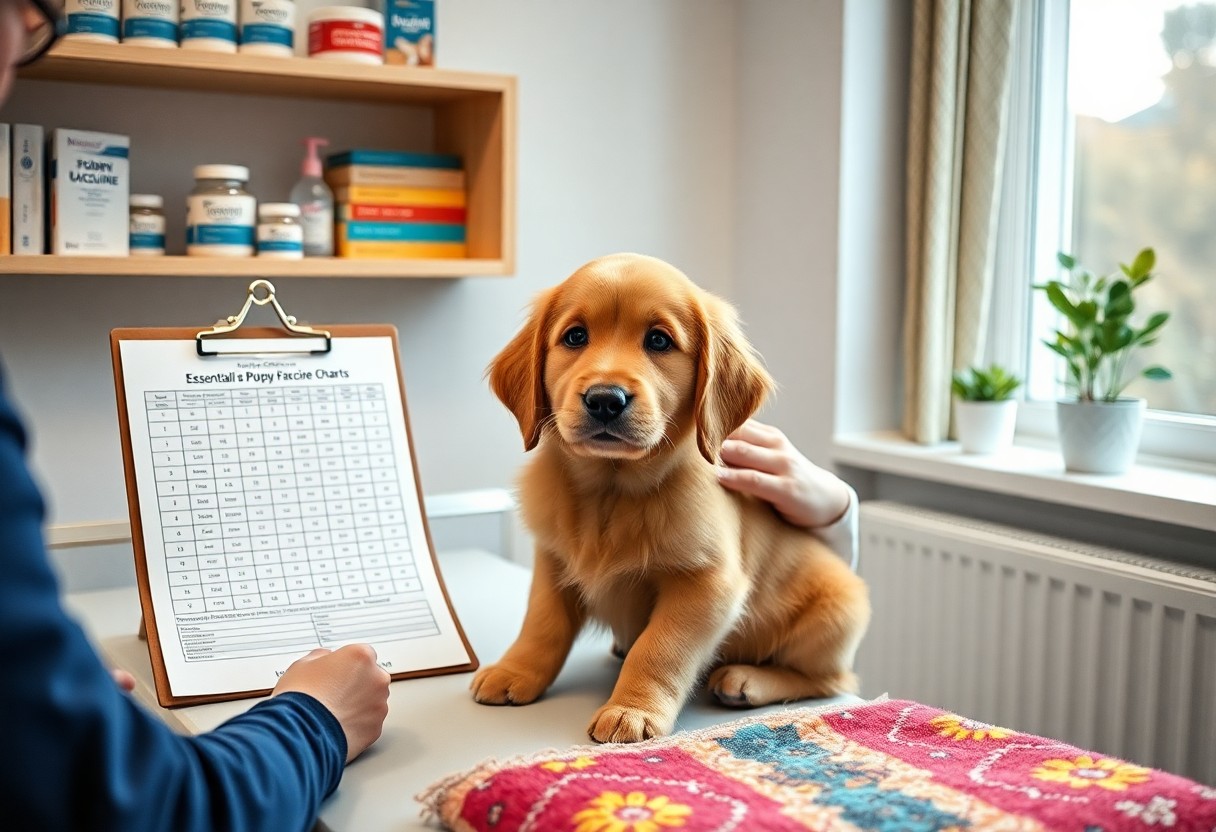
Your puppy’s vaccination timeline begins around 6 to 8 weeks of age, which is the ideal window for the first vaccine dose. Following this initial shot, additional vaccines are typically administered every 3 to 4 weeks until your puppy reaches around 16 weeks. Staying on schedule not only maximizes their immunity but also helps protect them from infectious diseases prevalent in your area.
Key Vaccination Milestones for Puppies
Key milestones in your puppy’s vaccination journey include receiving their first vaccinations between 6 to 8 weeks, followed by subsequent doses at 10 to 12 weeks and finally at 14 to 16 weeks. These milestones are vital in building strong immunity against serious diseases like parvovirus and distemper. Ensuring these vaccinations are administered on time greatly reduces health risks.
Age-Specific Recommendations in Harrogate & Wetherby
In Harrogate and Wetherby, the age-specific vaccination schedule aligns with national guidelines, emphasizing core vaccines such as parvovirus, distemper, and adenovirus. Local veterinarians often recommend an initial consultation as early as 6 weeks, taking into account factors like your puppy’s breed and lifestyle to tailor the vaccination plan appropriately.
Considering the unique environment and potential exposure levels in Harrogate and Wetherby, your vet may suggest additional vaccinations, such as for leptospirosis or kennel cough, especially if your puppy is frequently around other dogs. Local parks and dog-friendly spaces provide ample opportunity for socialization but also increase their risk of exposure to contagious diseases. Regular check-ups ensure that your puppy’s vaccination schedule remains on track and that any specific health needs are addressed promptly.
The Science Behind Vaccines: Why They Matter
Vaccines work by stimulating your puppy’s immune system to produce defenses against specific diseases. By introducing a harmless component of the virus or bacteria, vaccines help your puppy’s body recognize those pathogens in the future, preparing it to mount a rapid and effective response. This process not only protects your pup but also contributes to herd immunity, safeguarding other animals in the community.
The Immune Response Explained
Vaccination triggers a complex response in your puppy’s immune system. Upon exposure to the vaccine, B cells produce antibodies that specifically target the introduced components, while T cells help destroy infected cells. This creates a memory within the immune system, allowing it to respond swiftly if your puppy encounters the actual disease in the future.
Common Misconceptions About Vaccination
Many owners harbor misconceptions about vaccines, often believing that they are unnecessary or harmful. Some think natural immunity is preferable, while others fear adverse reactions will outweigh benefits. The reality is that vaccines are instrumental in preventing serious diseases that can jeopardize your puppy’s health.
Further, misconceptions often stem from anecdotal experiences rather than scientific evidence. For example, while some pets may exhibit mild reactions post-vaccination, these are typically short-lived and far less severe than the diseases themselves. Vaccinations have been rigorously tested for safety and efficacy, with results showing that the benefits of protecting your puppy from potentially fatal diseases far exceed the risks involved.
Local Recommendations: Finding the Right Vet
Choosing the right veterinarian is necessary for your puppy’s health and well-being. In Harrogate and Wetherby, several reputable practices focus on providing personalized care and expert advice. Consider seeking recommendations from fellow pet owners, local pet shops, or online community groups. Visiting local clinics can give you a feel for their atmosphere and approach to pet care. Look for a vet that aligns with your values and is conveniently located for easy access during your puppy’s vaccination schedule.
Credentials to Look For in a Veterinary Practice
When evaluating a veterinary practice, seek out a clinic with qualified veterinarians who possess a degree from an accredited veterinary school. Verify that they are members of professional organizations such as the Royal College of Veterinary Surgeons (RCVS) and have ongoing education to stay updated on best practices. Additionally, check for certifications in areas like animal behavior or emergency care, which can indicate a higher level of expertise.
Questions to Ask During Your First Visit
During your first visit, ask about the clinic’s approach to vaccinations, their protocols for handling emergencies, and their experience with puppies. Inquire if the vets have specialized training in specific areas, such as behavioral issues or nutrition. It’s also wise to understand their policies regarding follow-up care and preventive measures. Lastly, discuss your expectations for your puppy’s treatment and whether they align with the clinic’s philosophy.
During your first visit, try to ask specific questions like how they handle vaccination schedules and booster shots. Get a sense of their approach to preventive care, including advice on diet and exercise tailored for your puppy’s breed and age. Understanding their strategies for dealing with common puppy issues, such as teething or socialization, provides insight into their holistic care philosophy. Being proactive in these discussions helps ensure you and your vet are on the same page regarding your puppy’s health journey.
Navigating the Costs: Budgeting for Your Puppy’s Health
Managing the financial aspect of your puppy’s healthcare involves more than just vaccination fees. You’ll want to consider initial and ongoing costs, including vet visits, medications, and preventive treatments, to ensure your furry friend stays healthy. Prioritizing these expenses early on will help you avoid unexpected financial stress and keep your puppy’s health on track.
Understanding Vaccine Costs in Our Area
Vaccination costs can vary significantly in Harrogate and Wetherby, ranging from £60 to £120 for initial doses, depending on the veterinary clinic you choose. Many local vets offer vaccination packages that can save you money while ensuring your puppy receives all necessary shots in a timely manner.
Insurance and Payment Options for Pet Owners
Exploring pet insurance can alleviate the financial burden of vaccinations and unexpected health issues. Many companies offer tailored policies covering vaccines and routine check-ups, with premiums averaging between £20 to £40 monthly. Additionally, practices in your area may provide payment plans or discounts for multiple pets, which can help you manage costs effectively.
When choosing insurance, consider factors like coverage limits, deductibles, and any exclusions. Some local vets also accept CareCredit, allowing you to spread the cost of healthcare over time. Being proactive about securing coverage or payment options can make a significant difference in managing your puppy’s health expenses, making veterinary care more accessible and less stressful for you.
The Role of Socialization in Vaccine Timing
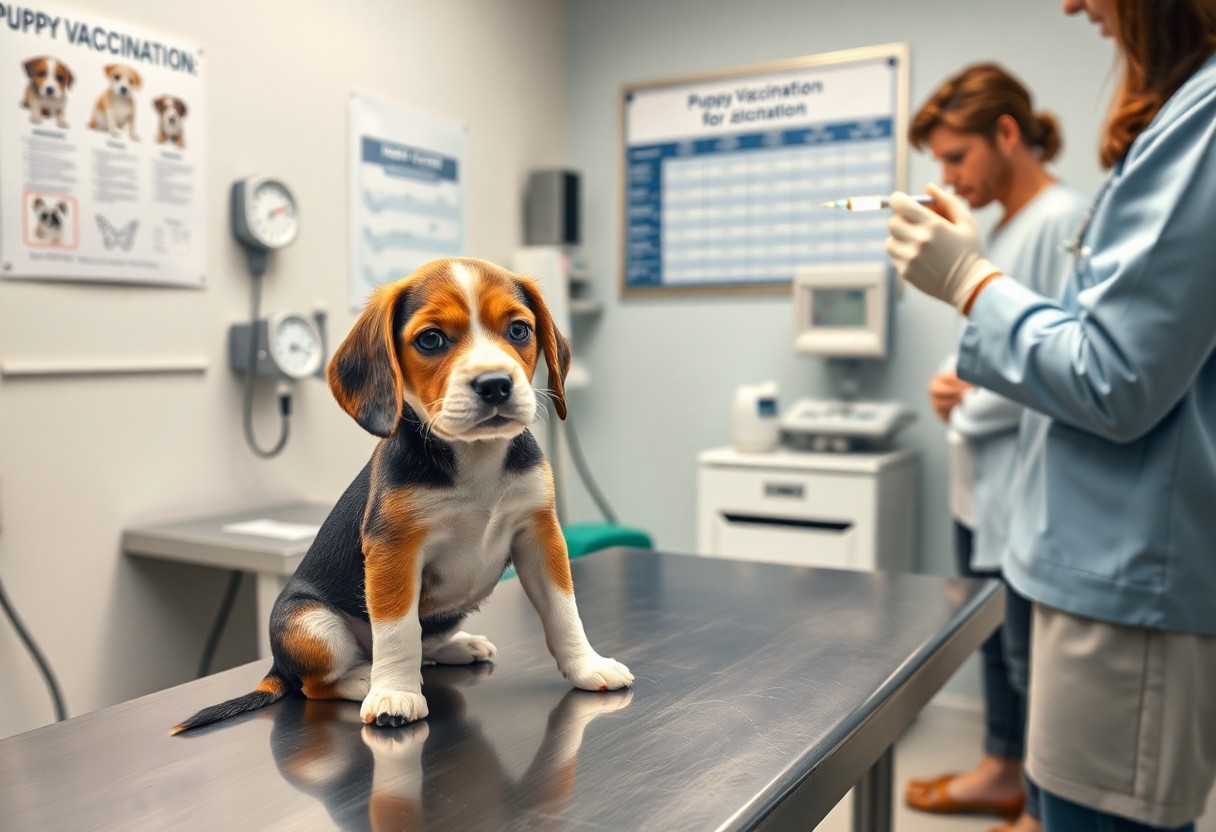
Socialization plays a vital role in your puppy’s development and emotional well-being, but timing in relation to vaccinations is key. Exposing your pup to various environments, people, and other animals helps build confidence and reduces anxiety. However, waiting until your veterinarian has confirmed a strong vaccination baseline is vital to ensure your puppy is protected against diseases such as parvovirus and distemper.
Balancing Socialization with Safety Precautions
While you want to socialize your puppy early, prioritizing their health is paramount. Focus on safe environments where other vaccinated dogs are present, such as pet-friendly areas or your home. Avoid public parks until your puppy has completed their vaccination series to minimize exposure to unknown viruses.
Local Puppy Socialization Classes and Events
Many veterinary clinics and pet stores in Harrogate and Wetherby offer puppy socialization classes designed to facilitate safe interactions with other dogs and people. These structured environments provide your puppy with guided experiences that can enhance their training.
Local classes typically start around 8 weeks old, immediately following initial vaccinations. Look for weekly sessions that focus on basic training, playtime, and exposure to various stimuli like sounds and different surfaces. Events may also include meet-ups at community parks designated for vaccinated pets, allowing your pup to engage with a variety of breeds and behaviors in a controlled setting, fostering positive experiences and reducing fear of new situations.
Final Words
Upon reflecting on your puppy’s vaccination journey, it’s evident that timely and appropriate vaccinations are necessary for their health and well-being. By staying informed about the vaccination schedule and consulting your local vet in Harrogate or Wetherby, you can ensure that your furry companion receives the best start in life. Taking these proactive steps not only protects your puppy from preventable diseases but also contributes to a healthier pet community. Trust in your vet’s expertise and prioritize your puppy’s vaccinations for a brighter, healthier future.
FAQ
Q: When should I get my puppy vaccinated?
A: Puppies should typically receive their first vaccinations between 6 to 8 weeks of age. It’s important to follow up with booster shots every 3-4 weeks until they are about 16 weeks old.
Q: What vaccinations does my puppy need?
A: Common vaccinations include those for distemper, parvovirus, hepatitis, and leptospirosis. Your vet may also recommend others based on local disease prevalence.
Q: Are there side effects from puppy vaccinations?
A: Side effects can include mild lethargy, fever, and swelling at the injection site. Serious reactions are rare but can occur. Always consult your vet if you notice concerning symptoms.
Q: How much do puppy vaccinations cost?
A: The cost of puppy vaccinations can range from £30 to £90, depending on the type of vaccine and the veterinary clinic. Some clinics may offer vaccination packages.
Q: Can my puppy go outside after vaccinations?
A: It’s generally advised to limit outdoor exposure until about a week after the final vaccination, to reduce the risk of infection from unvaccinated dogs or wildlife.