
Pet feeding can feel overwhelming, but as a vet-backed guide from Your Family Vets in Harrogate, York and Knaresborough you’ll learn how to choose the right diet for your pet. Nutritional needs vary with life stage, breed and health, so you may need puppy or senior formulas, breed-specific kibble or prescription pet diets UK for allergies or medical issues—untreated food intolerances can be dangerous. This article helps you find the best dog food UK vet recommended and best cat food UK vet approved for your companion.
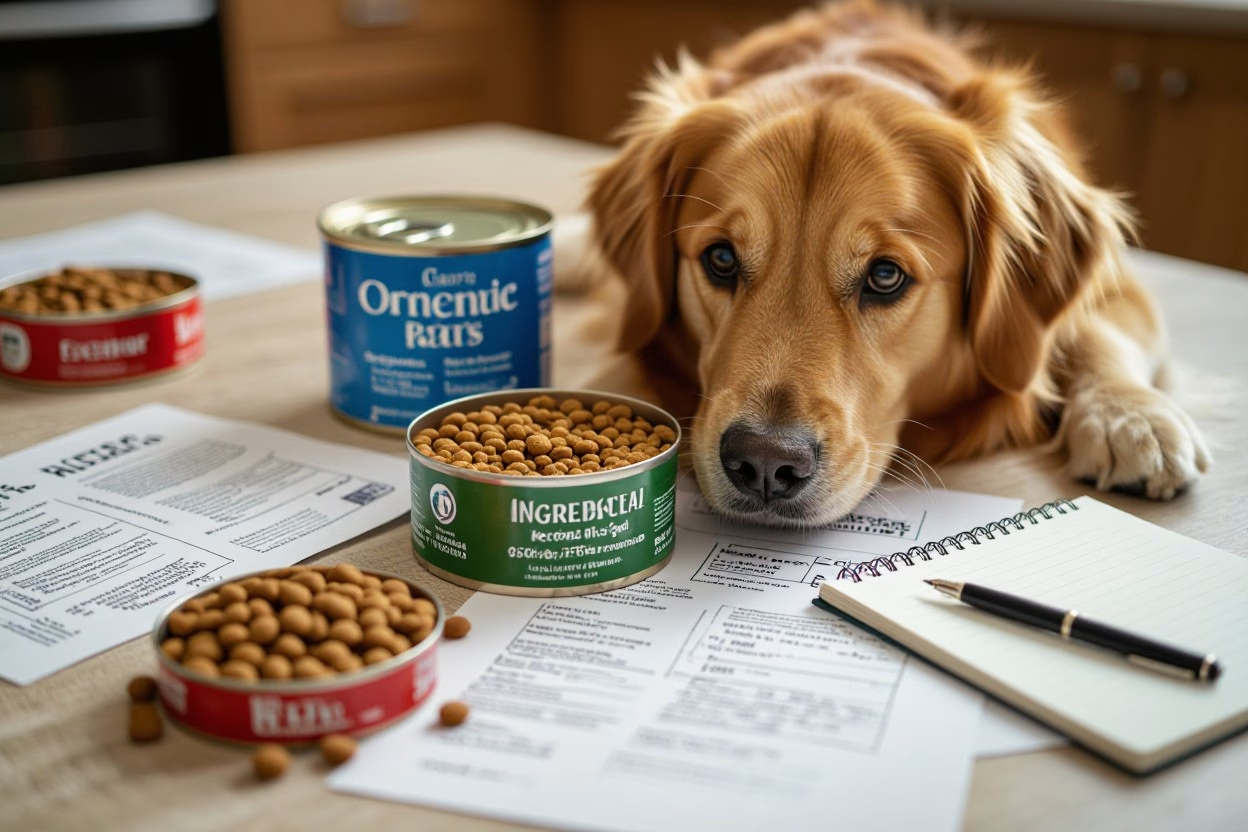
Decoding Pet Food Labels: What You Need to Know
Reading labels quickly tells you whether a product suits your pet: the ingredient list is ordered by weight, the guaranteed analysis gives protein/fat/fibre figures, and the feeding guide is a rough starting point. Look for “complete” vs “complementary” on the pack — complete means the food can be the sole diet. Avoid marketing buzzwords; when choosing pet food search for vet-backed options like those listed under best dog food UK vet recommended or best cat food UK vet approved.
Nutritional Completeness: The FEDIAF Standard
FEDIAF nutrient profiles are the benchmark for a complete and balanced diet in the UK; manufacturers meeting these can claim adequacy for life stages. Puppy food guide recommendations include higher energy, protein and calcium, while senior dog food advice focuses on lower calories and adapted phosphorus intakes. Look for explicit life-stage statements — a product for adults may not meet growth or senior needs.
Ingredient Transparency: Quality Over Quantity
Labels that name the protein source (e.g. “chicken”, “lamb”) are more transparent than vague terms like “meat and animal derivatives”; meat meal denotes concentrated protein. Percentages appear only when highlighted (“with 50% chicken”). Watch for additives and preservatives — natural tocopherols are preferable to long‑listed chemicals — and avoid products containing xylitol, onions, garlic, grapes/raisins or chocolate, all of which are toxic to dogs and/or cats. For allergies, seek hypoallergenic dog food or prescription options.
Practical example: if your dog shows recurrent itching or diarrhoea, an elimination trial of a single‑novel protein or a hydrolysed prescription diet for 8–12 weeks often identifies food‑triggered disease. Your Family Vets (Harrogate, York, Knaresborough) can prescribe and supply prescription pet diets UK, advise on switching pet food safely over 7–10 days, and tailor a plan to your pet’s needs.
Tailoring Nutrition to Life Stages: A Seasonal Approach
Nutritional Needs of Puppies and Kittens
Growing pups and kittens need energy-dense, protein-rich diets: you should aim for higher protein (often ≥30% for kittens; puppies commonly 22–32% on a dry-matter basis) with controlled calcium and appropriate calorie intake. Feed puppies 3–4 times daily until around 6 months and offer kittens 3–4 meals with free access to dry food after weaning. Use large-breed puppy formulas for heavy breeds to slow growth and reduce risk of growth-plate injuries, and consult our puppy food guide when switching pet food safely.
Balanced Diets for Adult Cats and Dogs
You should select a complete maintenance diet matched to activity and body shape: adult cats need higher animal protein and taurine, while dogs benefit from balanced fats and fibre for energy control. Adjust portions using a body condition score—around 40% of pets are overweight, so portion control matters. Look for FEDIAF-marked, vet-approved options and labels stating best dog food UK vet recommended or best cat food UK vet approved when choosing pet food.
Use the feeding guideline on the pack as a starting point and weigh your pet monthly; small dogs often need far fewer calories than owners expect. If you see skin or digestive problems, trial a limited-ingredient or hydrolysed diet—our clinic supplies hypoallergenic dog food and prescription pet diets UK. Understanding dog vs cat nutrition helps you pick the right product—contact Your Family Vets in Harrogate, York or Knaresborough for personalised advice on choosing pet food.
Senior Nutrition: The Key to Active Golden Years
As your pet ages, reduce calorie density by roughly 10–20% if activity falls, while prioritising digestible, high-quality protein to preserve muscle and including joint-support nutrients like omega-3s. Watch for weight loss, increased thirst or dental issues—these can indicate underlying disease. For many seniors, targeted formulations improve mobility and comfort; ask for tailored senior dog food advice to match health and lifestyle.
Modify nutrient balance where needed: choose higher-quality protein to limit sarcopenia but restrict phosphorus if bloods indicate kidney decline—low-phosphorus renal diets can slow progression of chronic kidney disease. Boost palatability with warm wet food or toppers if appetite wanes. Your Family Vets can run baseline blood tests, recommend specific brands (many available through the clinic) and guide safe transitions, including switching pet food safely, to keep your companion active in their golden years.
Navigating the Intersection of Lifestyle and Breed
Your pet’s breed shapes baseline needs while your household lifestyle fine-tunes them: a working Border Collie thrives on high-protein, high-energy diets, whereas a largely indoor Labrador may need 20–30% fewer calories to prevent weight gain. You should match feeding to activity, body condition score and life stage using vet-approved guidelines like the puppy food guide or senior dog food advice, and contact Your Family Vets in Harrogate or Knaresborough for tailored recommendations.
Energy Levels: From Couch Potatoes to Active Adventurers
Low-activity pets typically need fewer calories and higher fibre to feel satisfied, while sporting or working dogs can require 2–3× maintenance energy and extra fat and protein for recovery. You should adjust portions based on weekly weight checks and aim for a healthy body condition score; treat allowance counts. For kittens and puppies follow a vet-directed puppy food guide and for indoor cats choose best cat food UK vet approved formulas designed for lower activity.
Special Considerations for Flat-Faced Breeds
Brachycephalic dogs and cats (English and French bulldogs, pugs, Persians) face breathing difficulties (BOAS), dental crowding and higher choking risk, so you should favour easily graspable kibble shapes, softer textures or canned options and strict portion control to avoid obesity. Discuss prescription pet diets UK and tailored feeding plans with Your Family Vets to reduce respiratory strain and support dental health.
Practical strategies you can use include wide, shallow bowls and slow-feeding methods to reduce gulping and aspiration; avoid tiny, hard treats that can lodge in narrowed airways. You should monitor for exercise intolerance, excessive panting or noisy breathing and consider diets formulated for brachycephalic breeds (for example vet-recommended formulas from Royal Canin) or hypoallergenic dog food if skin or GI issues coexist—Your Family Vets in York can help assess and prescribe the safest option.
Recognising When Your Pet Needs a Specialist Diet
If your dog or cat shows persistent signs like chronic itching, recurrent ear infections, ongoing diarrhoea, sudden weight change or straining to urinate, consider a specialist diet rather than swapping foods at random. Many conditions respond to targeted nutrition — from hypoallergenic dog food trials to prescription pet diets UK for urinary or renal disease. Your Family Vets in Harrogate, York and Knaresborough can assess symptoms, arrange diagnostics and advise on switching pet food safely.
Understanding Allergies and Food Intolerances
Persistent pruritus, recurrent otitis or chronic diarrhoea often signal food-related issues; true food allergy tends to present with skin signs plus GI upset. An elimination diet trial of 8–12 weeks using a novel‑protein or hydrolysed formula is the gold standard to diagnose. You can try vet-recommended hypoallergenic dog food or vet-approved cat formulas, but work with your vet to avoid accidental exposure and ensure the trial is controlled.
Managing Medical Conditions with Prescription Diets
Specific illnesses frequently require prescription diets: urinary formulas to dissolve or prevent struvite/urate crystals, renal diets to reduce phosphorus and adapt protein, hepatic diets for liver support and diabetic diets for glycaemic control and weight management. Many of the best dog food UK vet recommended and best cat food UK vet approved options are available through Your Family Vets under clinical guidance.
For example, urinary diets will adjust urine pH and mineral balance to help dissolve certain stones within weeks, while chronic kidney disease protocols focus on lower phosphorus and tailored protein to slow progression; these often need lifelong feeding with regular blood and urine monitoring every 3–6 months. Weight-loss programmes combine calorie‑controlled, fibre‑rich prescription feeds with portion plans and follow-ups. Always source prescription pet diets UK via your clinic so you get the correct formulation and feeding plan, and ask our team about switching pet food safely to avoid digestive upsets.

Unpacking the Latest Diet Trends: Fad or Functional?
Recent buzz around grain‑free, raw and plant‑based diets mixes real benefits with real risks. Some grain‑free formulas have been linked to canine DCM, raw feeding raises hygiene and nutrient‑balance risks, and vegan/vegetarian options are often not safe for cats. If you’re choosing pet food, compare peer‑reviewed evidence and discuss options for the best dog food UK vet recommended or the best cat food UK vet approved for your pet’s life stage and health.
Grain-Free and Raw Diets: Pros and Cons
Grain‑free diets may benefit the small number of animals with a true cereal allergy, while raw diets can improve palatability and coat condition for some pets. Many owners see short‑term gains, but studies and regulatory reports link some legume‑rich grain‑free foods with increased risk of DCM, and raw feeding carries clear risks of Salmonella/E. coli exposure and unbalanced nutrients. Discuss switching pet food safely and consider veterinary options like prescription pet diets UK for diagnosed problems.
Grain-Free and Raw Diets: Pros and Cons
| Pros | Cons |
|---|---|
| May help pets with diagnosed grain allergy | True grain allergy is rare (<1%); limited benefit |
| Often highly palatable for fussy eaters | Higher cost and variable quality control |
| Raw can improve coat and skin in some cases | Raw: bacterial contamination risk to pets and people |
| Some owners see reduced stool odour/volume | Grain‑free (legume‑rich) linked to canine DCM reports |
| Can be tailored for individual intolerances | Raw: frequently unbalanced unless vet‑formulated |
| Perceived as ‘natural’ by owners | Perception ≠ complete, balanced nutrition; look for FEDIAF approval |
The Dangers of Homemade and Vegetarian Diets
Cats are obligate carnivores requiring dietary taurine, preformed vitamin A and arachidonic acid; homemade or vegetarian recipes often omit these, causing dilated cardiomyopathy, retinal degeneration and poor coat condition. Analyses of owner‑formulated diets frequently show calcium/phosphorus imbalance and missing micronutrients. You should avoid unsupplemented homemade or vegetarian feeding for cats and consult a vet or nutritionist before making changes.
Blood testing and diet analysis can detect deficiencies before clinical signs appear: low plasma taurine often precedes cardiac changes, and improper calcium/phosphorus ratios damage growing animals. Dogs may tolerate carefully formulated vegetarian diets only with a board‑certified nutritionist and ongoing monitoring; cats cannot. Book a nutrition consult with Your Family Vets in Harrogate, York or Knaresborough for a tailored plan, diet analysis and access to prescription pet diets UK and monitoring to keep your pet safe.
Our Vet-Approved Recommendations for Pet Food Brands
We favour brands that offer complete, life-stage formulas and veterinary options you can buy through Your Family Vets in Harrogate, York or Knaresborough. Look for FEDIAF-complete labels and clear ingredient lists; for complex cases we recommend prescription pet diets UK such as Hill’s Prescription Diet or Royal Canin Veterinary, and we can help with switching pet food safely.
Top Choices for Dogs: Hill’s, Royal Canin, and More
Hill’s Science Plan/Prescription Diet, Royal Canin, Purina Pro Plan, James Wellbeloved and Burns cover most needs from puppy to senior. Use our puppy food guide for growth rates and follow senior dog food advice for joint and calorie control. If your dog suffers itchy skin or GI upset choose a hypoallergenic dog food or limited-ingredient option and contact us about the best pet food for allergies.
Ideal Cat Foods: Tailored Options for Every Feline
Royal Canin, Hill’s, Purina and Specific offer wet and dry formulas targeted by age, weight and urinary health — key for cats because dog vs cat nutrition differs in protein and taurine needs. For urinary disease or kidney concerns, prescription diets reduce recurrence of crystals; speak to Your Family Vets for the best cat food UK vet approved for your pet’s condition.
Choose wet food with higher moisture (typically 70–80%) for cats prone to cystitis or kidney issues; kittens need diets with boosted protein and taurine, adults require maintenance energy levels, and overweight cats benefit from calorie-controlled, high-protein recipes. We assess body condition, run urine/blood tests if needed, and can prescribe or supply specialised diets — contact us to tailor a plan and ensure safe transitions over 7–10 days.
The Right Way to Transition Your Pet’s Diet
Start with a clear plan to avoid digestive upset: mix increasing amounts of the new food over 7–10 days, keep portions steady, and always offer fresh water. Use a written log of meals, stool quality and appetite so you can spot trends quickly. For pets with known sensitivities ask about a hypoallergenic dog food or prescription option — Your Family Vets in Harrogate, York and Knaresborough can advise on prescription pet diets UK and the best dog food UK vet recommended.
The Safe Switch: Gradual Changes Over 7–10 Days
Day 1–3: 25% new / 75% old; Day 4–6: 50/50; Day 7–8: 75/25; Day 9–10: 100% new. Move slower for puppies or seniors — follow a puppy food guide or senior dog food advice if needed. Measure by weight or scoops, not by eye, and keep mealtimes consistent. This approach reduces risk of diarrhoea and vomiting and supports a smooth transition when switching pet food safely.
Monitoring Your Pet’s Response to New Food
Watch stool firmness, frequency, appetite, energy and coat condition; expect mild changes for 48–72 hours. If you see persistent diarrhoea beyond 48 hours, repeated vomiting, blood in stool, or loss of appetite, contact your vet. Mark any skin itching or ear flares as possible food reactions — these can indicate the need for best pet food for allergies or a hypoallergenic dog food.
Keep a simple daily log with time, portion, stool score (firm/soft/liquid), and photos if abnormal. For signs of an allergic reaction — worsening pruritus, facial swelling, hives or breathing difficulty — treat as an emergency and seek immediate care. If mild digestive issues persist, Your Family Vets can run trials, recommend an elimination diet or arrange blood/skin tests and supply appropriate prescription pet diets UK.
Final Words
Taking this into account, you should choose pet food that matches your dog or cat’s age, breed, health and lifestyle, and watch responses when switching diets; if you are unsure or your pet has allergies or medical needs, contact Your Family Vets in Harrogate, York or Knaresborough for tailored, vet-approved advice and prescription diets to keep your companion healthy and thriving.
FAQ
Q: How do I choose the best food for my dog or cat?
A: Start with species- and life-stage specific food that meets FEDIAF guidelines and lists high-quality protein sources first. Consider age, breed size, activity level and any medical issues when choosing pet food. Look for vet-approved labelling and consider “best dog food UK vet recommended” or “best cat food UK vet approved” options if you want reassurance. If you’re unsure, bring your pet’s weight, age and any health history to Your Family Vets in Harrogate, York or Knaresborough for a tailored recommendation or nutrition consult.
Q: What should I feed puppies, kittens, adults and senior pets?
A: Puppies and kittens need higher energy and protein, with balanced calcium for growth — follow a puppy food guide or kitten formulation. Adult pets need maintenance diets with portion control to prevent weight gain. Senior pets often benefit from lower-calorie diets, joint support and kidney-friendly formulas — see our senior dog food advice for practical tips. Your Family Vets can advise on portion sizes and switch timing for each life stage.
Q: When might my pet need a special or prescription diet?
A: Consider prescription pet diets UK when your pet has diagnosed conditions such as food allergies, chronic skin disease, digestive disorders, urinary problems, kidney or liver disease, obesity or diabetes. For suspected food reactions, hypoallergenic dog food or hydrolysed prescription diets may be best. Contact Your Family Vets for testing and to prescribe or order the correct specialist diet.
Q: Are trendy diets like grain-free, raw or homemade safe for my pet?
A: Grain-free diets are sometimes helpful for true grain allergies but are often unnecessary; raw feeding carries hygiene and nutritional balance risks; homemade diets frequently lack crucial nutrients unless formulated by a vet nutritionist. Vegan or vegetarian diets are not suitable for most cats and require careful planning for dogs. Discuss any diet trend with Your Family Vets before changing food to assess risks and alternatives.
Q: How should I switch my pet’s food and which brands do vets recommend in the UK?
A: Switch food gradually over 7–10 days, increasing the new food proportion daily and watching appetite, stool and energy. Keep fresh water available and adjust portions to maintain a healthy weight. Vet-recommended UK brands include Hill’s Science Plan / Prescription Diet, Royal Canin, Purina Pro Plan, Specific (vet-only), James Wellbeloved and Burns. Many of these are available through Your Family Vets — contact us for advice, ordering or a nutrition consult to find the best option for your pet.