
Elevating the Golden Years: Why Senior Dog Care Matters
Longer Lifespans Mean More Time to Cherish
Advances in veterinary medicine and improved nutrition have increased the average lifespan of dogs significantly over the past few decades. Today, many dogs live well beyond 12 years, with smaller breeds sometimes reaching 15 or older. This extended longevity means your senior dog will require tailored care to maintain quality of life through these additional years. Without adapting care to their evolving needs, health issues can escalate quickly, reducing their comfort and happiness.
Age-Related Changes Are Often Subtle but Impactful
Not all signs of ageing are immediately obvious. Slowing down during walks or occasional stiffness may seem like typical behaviour but can point to early arthritis or joint discomfort. Minor changes in appetite or water intake might indicate underlying issues such as kidney problems or dental pain. Catching these signs early allows you to intervene and keep your dog comfortable. According to veterinary studies, dogs receiving regular senior-specific care experience fewer hospitalizations and better mobility well into old age.
Proactive Care Prevents Complications
Providing consistent health check-ups every six months, along with screenings like senior blood work and dental exams, reveals hidden problems before they worsen. Pain associated with arthritis can silently affect your dog’s mood and activity level, but with veterinary-recommended treatments, many dogs regain mobility and enthusiasm for play. Simple home adjustments such as non-slip mats and elevated feeding bowls reduce strain and risk of injury, creating a safer environment that encourages independence.
Supporting Mental Health During Ageing
Dogs can develop cognitive dysfunction similar to dementia in humans, affecting memory, sleep patterns, and interaction with family members. Engaging your dog in mentally stimulating activities like scent games and puzzle feeders has been shown to slow cognitive decline. Maintaining a routine and introducing gentle exercise tailored to their capabilities also support physical and emotional wellbeing, helping your senior dog remain a cherished companion for longer.
Quality of Life Enhances Every Day Won
Investing time and attention into your dog’s senior years translates to more moments filled with joy and companionship. By tuning into subtle health changes and adopting a proactive care mindset, you increase the chances of catching serious conditions early and provide comfort through age-related challenges. These efforts ensure your dog’s golden years are not just years lived but years truly lived well.
Defining the Milestones: When Is a Dog Considered Senior?
Age Variations by Breed Size
Smaller dog breeds like Chihuahuas and Toy Poodles typically enter their senior years around 7 to 9 years old, while larger breeds such as German Shepherds and Great Danes may be considered seniors as early as 5 to 6 years. Medium breeds usually fall somewhere in between. These differences arise because larger dogs age faster than smaller ones, impacting when you should start adjusting their care routine.
Unpacking the Visible and Invisible Signs of Aging
Visible signs like graying fur or slowed movement often catch your attention first, but many invisible changes happen beneath the surface. Alterations in organ function, diminished immune response, and subtle sensory losses may not be immediately obvious but significantly affect your dog’s health and behavior.
For example, your senior dog might still seem spry but could be experiencing early kidney decline or mild cognitive dysfunction, which can manifest as confusion or changes in sleep patterns. Watching closely for both physical changes and behavioral shifts gives you a fuller picture of how aging is affecting your companion, letting you tailor care strategies accordingly.
Debunking Myths: Grey Fur and Aging
Grey fur doesn’t necessarily mean your dog is old. Some breeds develop white or grey markings early due to genetics, while others maintain their coat color well into their senior years. Judging age solely by coat color can be misleading and overlooks more telling health indicators.
For instance, Siberian Huskies often have lighter fur variations even when young, whereas darker-coated breeds might not show greying until much later, if at all. Focusing on behavior, mobility, and medical check-ups provides a more accurate understanding of your dog’s age-related needs than simply watching coat changes.
Recognizing the Signs: What Aging Looks Like in Dogs
Mobility Changes: Slower Movement and Stiffness
Your dog may begin showing signs of stiffness, especially after resting or sleeping. Joints can feel less flexible, causing slower movement or reluctance to climb stairs and jump. Arthritis affects nearly 80% of dogs over age 8, making it a common cause of discomfort and mobility decline. Observing these subtle shifts early helps you support your dog with targeted care strategies like gentle exercise and pain relief.
Nutritional Shifts: Changes in Appetite and Weight
Appetite can fluctuate in senior dogs; some eat less due to slower metabolism or dental issues, while others may gain weight from reduced activity. Weight changes—either loss or gain—signal underlying health concerns like thyroid problems or digestive inefficiencies. Adjusting their diet to accommodate these needs helps maintain optimal health and energy levels.
Older dogs often require diets tailored to their changing physiology, incorporating higher-quality proteins and added fiber for digestion support. Joint supplements containing glucosamine and omega-3 fatty acids can alleviate discomfort linked to aging. Monitoring portion sizes closely prevents excess weight gain, which increases stress on joints and heart. Consulting your vet for a senior-specific nutrition plan ensures any medical conditions affecting appetite or metabolism are addressed promptly.
Sensory Changes: Cloudy Eyes and Hearing Loss
Visible signs like cloudy or bluish eyes may indicate cataracts or nuclear sclerosis, common in aging dogs. Hearing loss can cause your dog to startle easily or ignore calls. These sensory declines may reduce your dog’s confidence and interaction, so adjusting communication and environment becomes necessary.
Cataracts can impair vision significantly, sometimes requiring surgical intervention, while nuclear sclerosis typically causes only mild blurring. Hearing loss tends to develop gradually, so using more visual cues and tactile signals helps maintain your bond. Be aware that sensory deficits increase the risk of accidents at home; enhancing lighting and minimizing noise distractions can create a safer space for your dog.
Behavioral Shifts: Confusion and Altered Sleep Patterns
Changes in cognition may manifest as disorientation, separation anxiety, or altered sleep—such as increased daytime napping and nighttime restlessness. These symptoms often point to canine cognitive dysfunction, a condition affecting up to 50% of dogs older than 11. Observing these shifts lets you adapt your dog’s routine and environment for comfort.
Cognitive decline can cause your dog to forget familiar commands or routes, sometimes resulting in aimless wandering or vocalization. Providing mental enrichment through puzzles and consistent schedules slows progression. Adjusting lighting and minimizing disruptions at night improves sleep quality, which benefits overall brain health.
Bathroom Issues: Increased Urination and Incontinence
Senior dogs may start needing more frequent bathroom breaks or show signs of incontinence, often related to weakening bladder muscles or underlying conditions like urinary tract infections or kidney disease. These changes demand patience and modifications to help maintain your dog’s dignity and comfort.
Incontinence can cause accidents inside the house, requiring you to provide easily washable bedding and frequent outdoor opportunities. Medical interventions might include medications or dietary adjustments if infection or organ dysfunction plays a role. Tracking these symptoms closely and discussing them with your vet helps catch serious health issues early and improves your dog’s quality of life.
Veterinary Insights: Essential Senior Dog Care Strategies
Scheduling Regular Health Check-Ups
Booking veterinary visits every six months helps catch subtle changes before they become serious issues. These check-ups can reveal early signs of arthritis, kidney concerns, or cognitive decline that might not be obvious at home. Regular monitoring supports timely adjustments in diet, medication, or exercise to keep your senior dog comfortable and active as long as possible.
Understanding Senior Blood Panels and Dental Health
Blood panels designed for senior dogs provide a detailed snapshot of organ function, electrolyte balance, and potential inflammation, guiding treatment plans effectively. Dental exams also reveal problems like periodontal disease, which can lead to pain or systemic infections if untreated. Combining these assessments helps deliver comprehensive health care tailored to your dog’s changing needs.
Senior blood panels test key markers such as kidney enzymes (BUN, creatinine) and liver enzymes (ALT, ALP), which often change silently with age. Detecting elevations early allows for dietary adjustments or medications to slow disease progression. Meanwhile, routine dental cleanings remove plaque buildup that fosters bacterial infection, preventing pain and impacts on heart and kidney health. Together, these screenings form a foundation for proactive aging management in your dog.
Pain Management Approaches for Common Conditions
Strategies to ease arthritis and other discomforts in older dogs include NSAIDs prescribed by your vet, weight control, and physical therapy. Alternative options like acupuncture or laser therapy might also provide relief. Tailoring pain management plans ensures your dog can maintain mobility and quality of life.
Veterinary pain management often starts with non-steroidal anti-inflammatory drugs (NSAIDs) to reduce joint inflammation and improve mobility. Your vet may recommend controlled exercise routines or hydrotherapy to strengthen muscles without stressing joints. Emerging treatments such as regenerative medicine—including platelet-rich plasma (PRP) injections—show promise in promoting tissue repair. Integrating these approaches minimizes reliance on medications while addressing pain holistically.
Creating a Safe Home Environment for Seniors
Adapting your home for an aging dog involves installing non-slip rugs, using ramps for stairs, and raising food and water bowls to reduce strain. Clear pathways of clutter help prevent falls, while soft bedding alleviates pressure on aching joints. Small environmental changes can greatly boost your dog’s confidence and safety.
Adding tactile surfaces like rubber mats near entryways offers traction for weaker limbs, and nightlights assist dogs experiencing vision loss to navigate safely. Elevated feeding stations reduce neck and back stress, especially for larger breeds. Keeping water bowls refilled and accessible prevents dehydration, while frequent litter or potty breaks lower accidents risk. These adjustments foster a comfortable habitat that supports independence in your senior dog.
Tailored Nutrition: Feeding Your Aging Dog Right
Key Differences in Senior Dog Food
Senior dog food formulas typically contain fewer calories but higher-quality protein to support muscle maintenance as metabolism slows down. Increased levels of dietary fibre help digestion, while added antioxidants promote immune health. You’ll often find ingredients geared toward joint support, like glucosamine and chondroitin. Choosing food specifically designed for your dog’s age and size ensures they receive nutrients that align with their changing needs.
Importance of Supplements: Joint Health and Omega-3s
Supplements such as glucosamine, chondroitin, and omega-3 fatty acids have proven benefits for senior dogs facing joint stiffness or arthritis. Omega-3s, particularly EPA and DHA found in fish oil, support inflammation reduction and cognitive function. Adding these supplements can improve your dog’s mobility and quality of life when paired with proper diet and exercise.
Glucosamine and chondroitin work by helping repair cartilage and reducing joint pain, which becomes more common as dogs age. A study from the American Veterinary Medical Association showed dogs on these supplements exhibited significantly less limping and greater activity levels. Omega-3 fatty acids not only ease joint inflammation but also support brain health, potentially slowing cognitive decline. When choosing supplements, quality matters—consult your vet for doses tailored to your dog’s weight and health status to avoid over- or under-dosing.
Managing Weight for Optimal Health
Keeping your senior dog at a healthy weight lowers risks tied to arthritis, diabetes, and heart disease. As activity levels drop, calorie intake usually needs to adjust downward. Monitoring weight with regular vet visits and adjusting portion sizes helps prevent excess strain on joints and organs.
Excess weight in older dogs places added pressure on already vulnerable joints, worsening arthritis symptoms and reducing mobility. In contrast, underweight dogs risk muscle wasting and nutrient deficiencies. Employing a feeding plan based on your dog’s ideal body condition score, combined with appropriate treats and controlled meal times, fosters balanced energy intake. Some veterinarians recommend feeding higher-protein, lower-calorie diets with added fiber to promote satiety while maintaining lean muscle mass.

Keeping the Spirit Alive: Exercise and Mental Engagement
Adapting Exercise Routines: Low-Impact Activities
Shortening walk times while increasing frequency helps maintain your dog’s mobility without overexertion. Swimming offers a fantastic low-impact alternative, supporting joint health and muscle tone without placing stress on arthritic limbs. Gentle play sessions and leisurely strolls across soft surfaces like grass can reduce stiffness and preserve endurance, helping your senior dog stay active and comfortable.
Enhancing Mental Stimulation: Puzzle Toys and Scent Games
Introducing puzzle toys that challenge your dog to solve problems or find hidden treats taps into natural curiosity and sharpens cognitive function. Scent games, like hiding a favorite toy or treat around the house, engage their powerful sense of smell and help maintain alertness. These activities provide engaging mental workouts that go beyond basic obedience training.
Dogs can benefit greatly from interactive toys designed to stimulate problem-solving skills, such as treat-dispensing puzzles or snuffle mats. Regularly changing these games’ complexity prevents boredom and promotes sustained mental engagement. Pairing scent work with positive reinforcement encourages your dog to stay focused and mentally sharp, which is especially beneficial as signs of cognitive decline often emerge around 10 years of age.
Strategies for Preventing Cognitive Decline
Consistent mental enrichment combined with physical activity supports brain health. Rotating toys, introducing new commands, and encouraging exploratory walks through varied environments stimulate different areas of the brain. Omega-3 fatty acids and antioxidant-rich diets complement these efforts by helping reduce inflammation linked to cognitive dysfunction.
Engaging your dog in memory games or training sessions not only strengthens the bond you share but also slows the progression of canine cognitive dysfunction (CCD). Studies show that dogs receiving regular mental challenges exhibit fewer symptoms of confusion, disorientation, and anxiety associated with aging brains. Incorporating these strategies early can help preserve quality of life well into their senior years.

Navigating Common Health Concerns for Senior Dogs
Understanding Arthritis and Mobility Challenges
Arthritis affects over 60% of dogs older than 8 years, causing joint pain and stiffness that limit your dog’s movement. You might notice reluctance to climb stairs, favorite spots becoming less accessible, or slower walking. Managing arthritis often involves weight control, pain medications prescribed by your vet, and physical therapies to preserve mobility and improve quality of life.
The Impact of Dental Disease on Overall Health
Dental disease is more than just bad breath; it can lead to infections that spread to vital organs like the heart and kidneys. By the time your dog reaches senior years, over 80% of them show some form of periodontal disease. Regular teeth cleaning and home dental care help prevent serious complications that affect overall well-being.
Untreated dental issues allow bacteria from infected gums to enter the bloodstream, potentially causing endocarditis (heart inflammation) or worsening existing kidney problems. You might see signs such as difficulty eating, drooling, or pawing at the mouth. Routine vet dental exams combined with at-home brushing can greatly reduce these risks and keep your dog comfortable in their golden years.
Recognizing Kidney and Liver Issues
Kidney and liver functions decline naturally with age but can develop into chronic conditions. Frequent urination, decreased appetite, vomiting, or lethargy may hint at these issues. Vets use blood and urine tests to detect early signs, enabling timely interventions that can slow disease progression and improve your dog’s quality of life.
The kidney’s role in filtering waste means failure can cause toxin buildup leading to symptoms like bad breath with a chemical odor, excessive thirst, or weight loss. Liver disease manifestations vary widely but often include jaundice, weakness, or gastrointestinal upset. Monitoring your senior dog’s behavior and scheduling biannual check-ups allows for prompt diagnosis and management.
Canine Cognitive Dysfunction: Symptoms and Management
Similar to dementia in humans, canine cognitive dysfunction shows as disorientation, altered sleep cycles, and decreased interaction. You might observe your dog appearing confused, getting lost in familiar places, or forgetting training cues. Mental enrichment activities and medications can slow symptom progression and maintain engagement.
About 14% to 35% of dogs over 8 years develop cognitive dysfunction. Early signs include staring blankly, changes in vocalization, or house soiling. Offering puzzle feeders, scent games, and consistent routines helps support cognitive function. Your vet may recommend supplements like SAMe or selegiline to protect brain health and manage symptoms effectively.
Cancer Warning Signs: What to Look For
Watch for lumps that grow rapidly, unexplained weight loss, persistent wounds, or changes in breathing or appetite. Cancer is a leading cause of death in senior dogs, but early detection improves treatment success and comfort. Regular palpation during home checks plus professional exams catch abnormalities early before they cause significant harm.
Lumps appearing suddenly or those that increase in size quickly should be evaluated by your vet as they could indicate malignancies like lymphoma or mast cell tumors. Other warning signs include limping without injury, lethargy, or bleeding not linked to obvious causes. Diagnostic tools such as biopsies or imaging guide treatment decisions, offering your dog the best possible outcomes through early intervention.
When to Reach Out: The Importance of Veterinary Communication
Identifying the Right Moments for Intervention
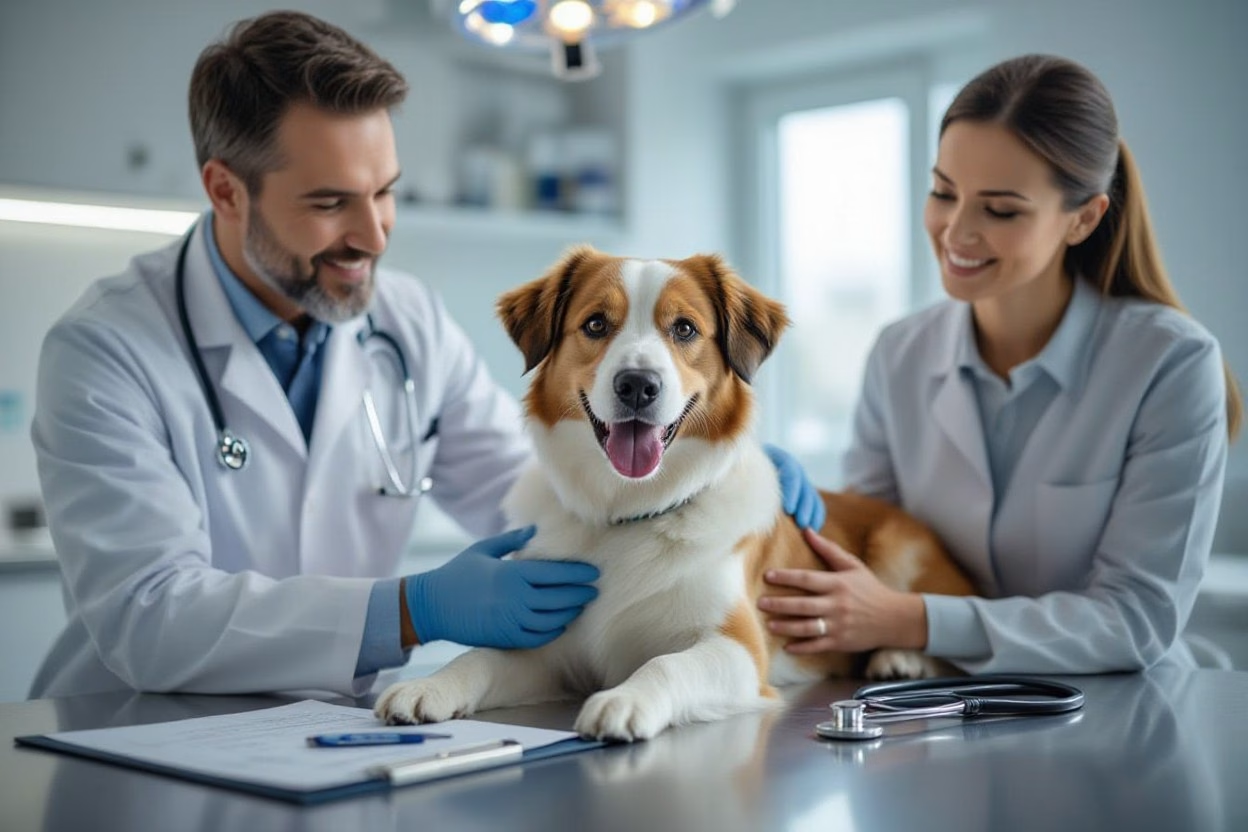
Signs like sudden weight loss, worsening mobility, or new behavioral changes indicate that your senior dog needs a vet evaluation sooner rather than later. Regular check-ups every six months help catch issues like kidney decline or dental disease early, but unexpected symptoms—such as persistent coughing, difficulty breathing, or increased lethargy—warrant immediate attention. Tracking subtle changes in urination frequency or appetite can also alert you to underlying problems before they escalate.
Planning for Compassionate End-of-Life Care
Discussing quality of life with your vet enables you to make informed decisions when your dog’s health declines. Options like palliative care, advanced pain management, or hospice support can improve comfort during difficult times. Knowing when your pet is experiencing avoidable pain or distress helps guide the timing of humane decisions, ensuring their dignity is preserved without prolonging suffering.
Creating an end-of-life care plan includes monitoring signs such as reluctance to eat, withdrawal from family, or frequent collapse. Your vet can help set specific criteria to evaluate your dog’s wellbeing objectively, balancing treatment benefits against potential discomfort. Many clinics offer in-home euthanasia services, which reduce stress for both you and your dog. Open communication paves the way for compassionate choices that honor the bond you share during these final stages.
Summing up
Following this guide, you can provide your senior dog with the care they need to stay happy and healthy as they age. By understanding the signs of ageing, maintaining regular vet check-ups, offering proper nutrition, and ensuring mental and physical stimulation, you’ll support your dog’s well-being through their golden years. Adjusting your home environment and staying attentive to health changes helps you respond effectively to their evolving needs, making your time together comfortable and joyful.
FAQ
Q: At what age should I start treating my dog as a senior?
A: Most dogs are considered seniors around the age of 7, but this depends on their breed and size. Smaller breeds tend to live longer and may be considered senior at 9 or 10 years, while larger breeds often reach senior status closer to 6 or 7 years. It’s helpful to consult your veterinarian for a personalized assessment based on your dog’s specific breed and health.
Q: How often should senior dogs visit the vet for health check-ups?
A: Senior dogs benefit from more frequent veterinary visits compared to younger dogs. Scheduling a check-up every six months allows your vet to monitor age-related changes, conduct necessary blood tests, dental assessments, and identify any emerging issues early. This proactive approach helps maintain your dog’s quality of life as they age.
Q: What kinds of dietary changes are recommended for a senior dog?
A: Older dogs typically require diets formulated to support joint health, weight management, and digestion. Senior dog foods are usually lower in calories but higher in fiber, omega-3 fatty acids, and nutrients that promote mobility and cognitive function. Adding joint supplements like glucosamine or chondroitin may also help, but it’s best to discuss dietary changes with your vet first.
Q: How can I help keep my senior dog mentally stimulated?
A: Mental stimulation is important to help prevent cognitive decline in older dogs. Activities such as puzzle toys, scent games, and gentle training sessions can keep their brains active and engaged. Maintaining a consistent routine and providing social interaction also support mental well-being in senior dogs.
Q: What are some common signs that my senior dog may be experiencing pain or discomfort?
A: Signs of pain or discomfort in senior dogs can include stiffness, limping, reluctance to move or climb stairs, changes in posture, decreased activity levels, and irritability. Sometimes dogs may also show subtle behaviors like restlessness or increased vocalization. If you notice these behaviors, consult your veterinarian for an evaluation and appropriate pain management options.