

This quick decision guide helps you determine when your pet needs immediate veterinary care and when a problem can wait for a scheduled appointment; assess severity by looking for unconsciousness, severe bleeding, difficulty breathing, collapse, or toxin ingestion, which demand immediate action, versus issues like mild limp, occasional vomiting, or minor skin irritation that you can monitor and address with a routine visit; if in doubt, err on the side of prompt evaluation to protect your pet.
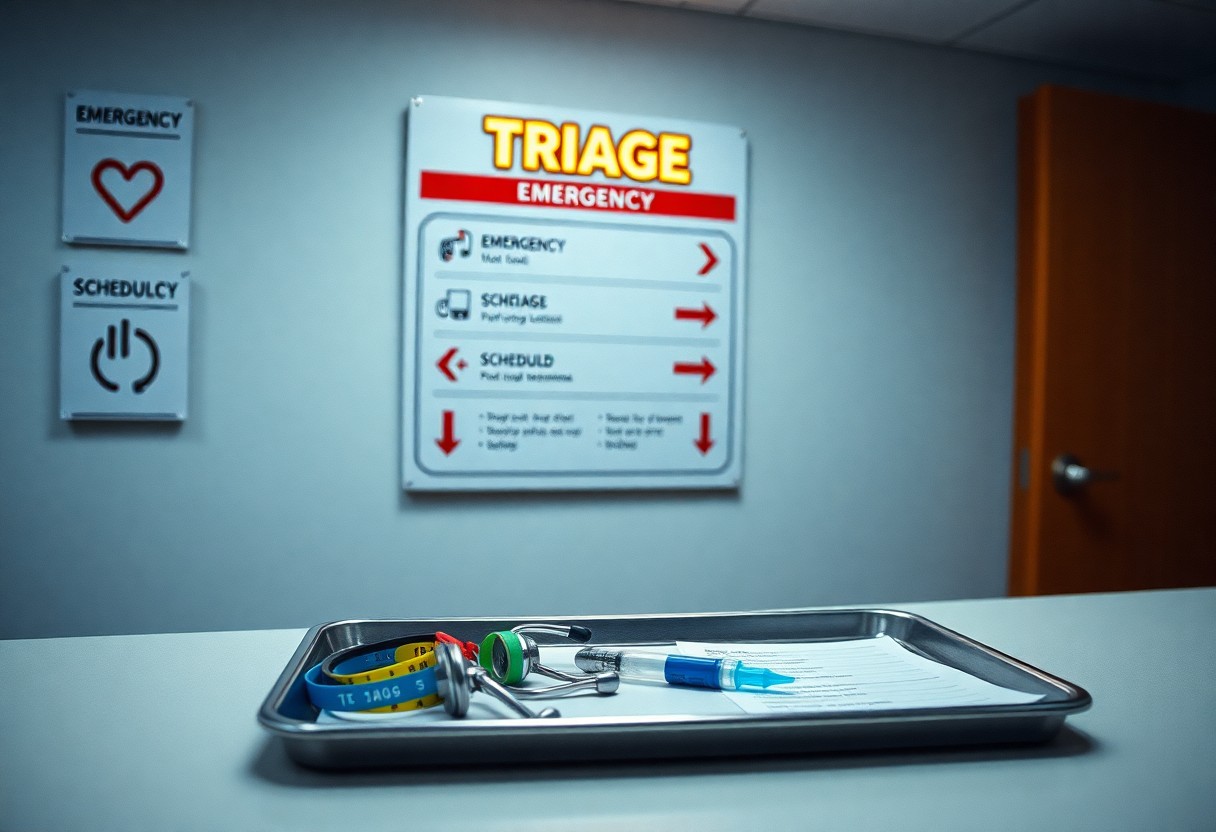
Understanding Emergency Situations
Severe presentations like difficulty breathing, uncontrolled bleeding, sudden collapse, or prolonged seizures demand immediate evaluation because they can progress in minutes to hours; for example, canine GDV can cause shock within 2-4 hours and carries a high fatality without rapid surgery. You should assess airway, breathing, and perfusion first, note timing (minutes vs. hours), and prepare to transport with minimal delay while notifying your clinic.
Types of Pet Emergencies
Emergencies cluster into categories-trauma, toxin, respiratory, cardiac, and neurologic-each with distinct signs and windows for intervention; for instance, ingestion of xylitol causes hypoglycemia within 30-60 minutes, while heatstroke elevates body temperature >41°C and needs cooling. The sooner you act the better the prognosis.
- Trauma – fractures, hit-by-car, severe lacerations
- Toxin – human meds, chocolate, lilies (cats)
- Respiratory – difficulty breathing, cyanosis
- Cardiac – collapse, severe coughing, fainting
- Neurologic – seizures, sudden blindness, disorientation
| Trauma | Open fractures, heavy bleeding – transport within minutes |
| Toxin | Ingestion timeline 30-120 min – bring packaging if possible |
| Respiratory | Labored breathing, blue gums – oxygen and immediate care |
| Cardiac | Collapse, weak pulse – monitor HR, rapid vet evaluation |
| Neurologic | Seizures >5 min or status epilepticus – emergency stabilization |
Identifying Non-Emergency Situations
You can often manage mild, stable issues at home or by next-day vet visit: a single episode of vomiting if your pet is bright and hydrated, a superficial small cut that’s not bleeding heavily, or mild limping after exercise. Observe for 12-24 hours, note frequency (e.g., vomiting >3 times or >24 hours is concerning), and contact your clinic if signs worsen.
When you assess at home, check temperature, appetite, activity, and mucous membrane color-normal canine resting respiratory rate is about 10-35 breaths/min and CRT under 2 seconds; if you see pale gums, persistent high fever, ongoing vomiting, or increasing lethargy, escalate to urgent care or call your vet for immediate advice.

Decision-Making Tips for Pet Owners
Keep a short action plan so you can act fast: check breathing, consciousness, bleeding and ability to move, note onset time, and secure your pet so you can safely assess injuries. Store your clinic’s number and your pet’s medical info where you can grab it in seconds. Knowing what to say and what to do in the first 5-10 minutes often changes outcomes.
- If you see difficulty breathing – seek emergency care immediately.
- Uncontrolled bleeding or a deep wound that won’t stop – head to ER.
- Repeated seizures or one lasting over 2 minutes – urgent intervention needed.
- Suspected poison ingestion (chocolate, xylitol, human meds) – call now.
Assessing the Severity of Symptoms
Quickly categorize signs as life-threatening (airway compromise, collapse, severe bleeding), urgent (continuous vomiting, high fever above 104°F/40°C, repeated diarrhea causing dehydration), or non-urgent (mild limping, one-off vomiting). Use specific thresholds: seizures >2 minutes, bleeding not controlled after 5 minutes of pressure, or collapse at once push you toward immediate care. Triage by severity, not emotion, to decide next steps.
When to Call Your Veterinarian
Contact your vet when symptoms are new, worsening, or persistent – for example, vomiting more than twice in 24 hours, diarrhea with lethargy, sudden lameness with swelling, or any wound exposing tissue. If your pet ingested a known toxin or shows altered mentation, call immediately; for milder issues you can often get same-day advice or an appointment. Provide concise details and onset time.
When you call, be ready with pet’s age, weight, vaccination status, current meds, exact symptoms, time of onset, and any substances ingested; give clear answers about breathing, responsiveness, and bleeding. If directed to come in, bring a recent photo, a sample (vomit/feces) if safe, and a muzzle or towel for transport; for suspected poisoning, note package labels or amounts. If symptoms match emergency criteria (collapse, ongoing seizures, severe respiratory distress), go to an emergency clinic immediately.
Step-by-Step Guide to Handling a Pet Emergency
| Step | Action |
|---|---|
| 1. Assess | Ensure the scene is safe, then check airway, breathing and circulation; if unconscious, call your vet immediately. |
| 2. Stop bleeding | Apply direct pressure for 3-5 minutes; use clean cloths and bandage; if bleeding soaks through, add more layers. |
| 3. Breathing & CPR | If breathing absent, start CPR: compress at 100-120/min, compress one-third chest width for dogs; ventilate every 6-8 seconds. |
| 4. Poisoning | Do not induce vomiting unless instructed; contact Pet Poison Helpline 855-764-7661 or ASPCA 888-426-4435 immediately. |
| 5. Immobilize | Suspect fractures or spinal injury? Stabilize on a rigid board or flat surface and limit movement during transport. |
| 6. Transport & Call | Call ahead to the emergency clinic, bring a sample of vomit/toxin packaging, and secure your pet for travel. |
Initial Response Actions
First, make sure you and your pet are safe; then check responsiveness and breathing for 5-10 seconds. If bleeding, apply firm pressure and elevate the limb if possible; for airway obstruction remove visible objects only if you can see them. You should avoid giving food, water, or medications without veterinary advice and immediately call your regular or emergency vet with symptoms, time of onset, and any known exposures.
Transporting Your Pet Safely
Use a hard board or sturdy carrier for transport: small dogs and cats go in carriers, medium-to-large dogs on a stretcher or secured blanket; always keep the head stable and avoid twisting the spine. Secure the carrier or your pet with a seatbelt, place them in the back seat (never the front with an active airbag), and keep them warm and calm during the drive.
When you suspect toxin exposure or severe trauma, call the clinic en route and note the time of exposure, product name or bring packaging, and any medications given. In one case a Labrador with a rattlesnake bite reached the clinic in 20 minutes after owners immobilized the limb and drove directly-prompt antivenom led to full recovery-showing how fast, focused transport and clear information can change the outcome.
Important Factors to Consider
You should weigh several elements quickly to decide whether to seek immediate veterinary care-use this checklist:
- Severity of signs – difficulty breathing, collapse, uncontrolled bleeding
- Pet’s age/size – puppies, kittens and seniors decompensate faster
- Medical history – diabetes, heart disease, anticoagulant medications
- Toxin ingestion – xylitol, chocolate, lilies, household chemicals
- Access to care – distance, transport time, clinic hours
Assume that any combination of these factors with rapidly worsening signs demands urgent veterinary attention.
Pet’s Medical History
Your pet’s conditions and medications change the threshold for action: a diabetic dog that is vomiting or a cat on aspirin with bleeding can deteriorate within hours, while a healthy adult may be observed briefly; list surgeries, current drugs (especially anticoagulants), allergies and chronic diagnoses when you call the clinic so triage and treatment are tailored.
Time Sensitivity of the Situation
Time determines risk: airway compromise or uncontrolled bleeding requires care within minutes, whereas a single episode of vomiting might be watched for 4-12 hours; note onset and progression because rapid decline signals the need for emergency intervention.
For example, a seizure lasting over 5 minutes or repeated seizures within 24 hours is an emergency; ingestion of ~0.1 g/kg xylitol can cause hypoglycemia in dogs within 30-60 minutes; signs like pale gums or a heart rate >160 bpm in dogs should prompt immediate transport to an emergency clinic.
Weighing the Pros and Cons of Immediate Action
When you decide whether to act now, weigh the likely benefits-like stopping bleeding, reversing toxin effects, or preventing shock-against costs and stress. Certain conditions (severe respiratory distress, uncontrolled bleeding, or ingestion of xylitol or anticoagulants) can become life‑threatening within 30-60 minutes to a few hours, while others may safely wait for a scheduled appointment.
Pros vs Cons of Immediate Veterinary Action
| Pros | Cons |
| Stops progression of shock or sepsis | Higher upfront costs and emergency fees |
| Reduces chance of irreversible organ damage | Stress from transport and hospital stay |
| Faster pain control and stabilization | Potential for unnecessary diagnostics |
| Improves outcomes in toxin exposures (e.g., xylitol) | Risks associated with anesthesia/IV access |
| Enables earlier definitive treatment (surgery, antidotes) | Possible overtreatment for minor issues |
| Quicker diagnosis prevents complications | Logistics: travel, time off work |
Benefits of Quick Veterinary Care
You often get faster stabilization, targeted diagnostics, and timely interventions that change outcomes: for example, administering activated charcoal within 1-2 hours of many oral toxin ingestions limits absorption, and early IV fluids in shock restore perfusion and reduce organ failure risk. Prompt care also shortens recovery time and can mean less invasive procedures overall.
Risks of Delaying Treatment
Delays let conditions progress from manageable to complex: infections can turn to sepsis, fractures may develop nonunion, and obstructions can cause perforation. In many cases a wait of hours to a couple of days markedly increases morbidity, the likelihood of intensive care, and final treatment cost.
For instance, if your dog has GDV (bloat), the stomach can lose blood supply within hours; if your male cat is blocked, urethral obstruction can cause hyperkalemia and life‑threatening arrhythmias in a matter of hours. Delaying also raises the chance of needing more extensive surgery, longer hospital stays, and a lower chance of full recovery.
Resources for Pet Owners
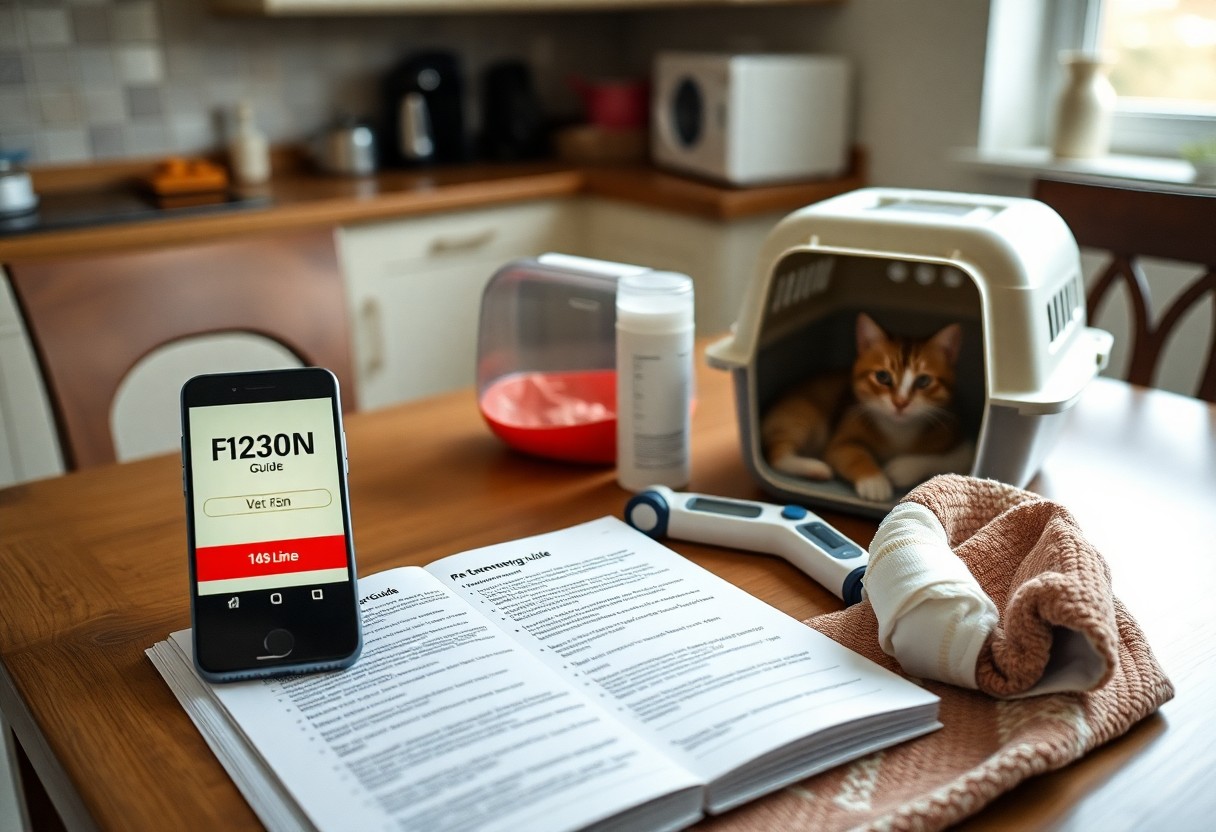
Keep an up‑to‑date resource list: local 24/7 emergency clinics, your regular vet’s after‑hours contact, and poison hotlines like Pet Poison Helpline (855‑764‑7661) or ASPCA Animal Poison Control (888‑426‑4435). You should store these on your phone, print a hard copy, and include microchip and insurance numbers. In cases of trauma, severe bleeding, difficulty breathing, or suspected poisoning, call an emergency clinic or hotline immediately.
Emergency Vet Clinics
Locate the nearest emergency hospitals that offer on‑site diagnostics (x‑ray, ultrasound), surgery, and oxygen therapy; many operate 24/7. You should prioritize clinics within a 15-30 minute drive when possible. If your pet has unconsciousness, severe bleeding, difficulty breathing, or toxin exposure, describe symptoms before arrival, bring medical records, and transport in a secure carrier to speed triage.
Pet First Aid Kits
Put together a compact kit with a digital rectal thermometer, gauze, non‑stick pads, bandage tape, styptic powder, tweezers, saline flush, a soft muzzle, and a blanket. Include activated charcoal (use only under vet guidance) and your vet’s phone number. Keep the kit accessible at home and in your car so you can act within minutes of an incident.
Review the kit every 6 months, check medication expirations, and replenish single‑use items. Pack sterile gloves, small scissors, a syringe for oral dosing, bite‑blocking muzzle alternatives, and printed notes of your pet’s weight and medications. You should also take a 2‑hour pet first aid class; hands‑on practice reduces response time and improves outcomes.
Summing up
Summing up, use the signs in this guide to judge severity: act immediately if your pet has breathing trouble, severe bleeding, collapse, seizure, or toxin exposure, and reserve home care or scheduled vet visits for minor wounds, mild vomiting, or gradual changes. If you are unsure, err on the side of prompt assessment-your pet’s pain level and stability should determine whether you seek emergency care.
FAQ
Q: How can I quickly tell if my pet’s condition is an emergency or can wait for a regular appointment?
A: Life-threatening signs that need immediate emergency care include difficulty breathing, unresponsive or collapsed pet, uncontrolled bleeding, prolonged or repeated seizures, severe trauma (hit by car, falls), inability to urinate, and a rapidly distended abdomen (possible bloat/torsion). If your pet is stable but showing moderate signs such as mild vomiting once, a slight limp, decreased appetite for a day, or minor skin irritation, schedule a regular vet visit. When in doubt, call your veterinarian or an emergency clinic for triage instructions.
Q: What immediate steps should I take at home before transporting my pet to an emergency clinic?
A: Ensure your safety and your pet’s: muzzle or wrap an injured animal only if safe to do so, use a towel or blanket to support fractures, apply direct pressure to stop heavy bleeding, keep the pet warm and calm, and avoid giving human medications unless directed by a vet. Gather relevant information-time of symptom onset, known medical history, medications, possible toxin exposure, and any removed packaging. Call the emergency clinic while preparing to go so they can advise on stabilization and have staff ready.
Q: What are common signs of poisoning and what should I do if I suspect my pet ingested something toxic?
A: Signs of poisoning include excessive drooling, vomiting, diarrhea, tremors or seizures, ataxia (stumbling), excessive drooling or foaming, collapse, rapid heart rate, pale or discolored gums, and abnormal breathing. If you suspect poisoning, immediately call your veterinarian or an animal poison control hotline and follow their guidance. Bring the container or a photo of the substance, note how much and when it was ingested, and transport the pet to a clinic if advised. Do not induce vomiting unless explicitly instructed by a professional.
Q: Which injuries that appear minor can actually be dangerous and require emergency evaluation?
A: Puncture wounds, deep lacerations, wounds with persistent bleeding, bite wounds, and injuries near joints or the face can hide deeper damage or infection and often require prompt care. Signs of internal injury-rapid breathing, pale gums, weak pulse, restlessness, or abdominal pain-warrant emergency evaluation even if external wounds seem small. Also seek immediate care for suspected eye injuries, sudden severe limping, or when an animal was struck by a car, as internal trauma may not be obvious.
Q: How do I decide between calling an urgent-care vet the same day versus going to an emergency clinic right away?
A: Use the severity and progression of symptoms: if the pet is unstable (breathing problems, collapse, seizures, severe bleeding, inability to urinate), go to emergency care immediately. For non-life-threatening but progressive or persistent issues-repeated vomiting/diarrhea over 12-24 hours, moderate pain, fever above 104°F (40°C), visible wound with swelling-contact your regular vet for same-day urgent care or an urgent clinic. If symptoms are mild, stable, and non-progressive (single episode of vomiting, low-grade cough, slight lethargy), book a routine appointment. When unsure, call your vet or an emergency clinic for triage guidance.