
Dogs can experience stress just like humans, leading to various health issues if not managed properly. You hold the key to easing your dog’s stress-related illnesses through gentle care techniques. By understanding your dog’s needs and implementing calming strategies, you can significantly improve their well-being and quality of life. This guide will provide you with effective methods to create a peaceful environment, ensuring your furry friend feels safe and secure.

Key Takeaways:
- Implement a consistent daily routine to provide structure and security for your dog.
- Incorporate calming activities such as gentle massage, slow walks, and interactive play to reduce stress.
- Provide a safe and comfortable environment that includes a quiet space for relaxation and rest.
Understanding Stress-Related Illnesses in Dogs
Stress-related illnesses in dogs can manifest in various ways, revealing underlying anxiety and emotional distress. These conditions often stem from both environmental and psychological triggers, leading to symptoms that require your attention. By recognizing the signs of stress and understanding its causes, you can better support your dog’s well-being and develop a tailored care strategy.
Common Symptoms of Stress in Dogs
Observing your dog’s behavior closely can reveal key indicators of stress. Common symptoms include excessive barking, destructive chewing, hiding, withdrawal, and changes in appetite or sleep patterns. You may also notice physical signs like trembling, panting, or excessive salivation. Identifying these symptoms early allows you to address their causes and improve your dog’s mental state.
Factors That Contribute to Stress-Related Illnesses
Several factors can amplify stress in dogs, leading to potential illnesses. Common contributors include changes in routine, loud noises, unfamiliar environments, and lack of socialization. In addition, factors such as past traumas, the presence of other pets, or even seasonal changes can negatively impact your dog’s emotional health. After addressing these contributing elements, you can significantly improve your dog’s comfort and security.
- changes in routine
- loud noises
- unfamiliar environments
- lack of socialization
Environmental changes, such as moving to a new home or the arrival of a new family member, often trigger stress responses in dogs. Additionally, daily disruptions like erratic schedules or sudden vet visits can lead to anxiety. Animals that have experienced trauma may be more sensitive to these stressors, requiring a gentle approach to their care. After understanding these dynamic factors, you can create a more harmonious living situation for your dog.
- environmental changes
- daily disruptions
- trauma history
- gentle approach
How-to Identify Stress Triggers
Recognizing what specifically causes stress in your dog is vital for effective intervention. Pay attention to their reactions in various situations and note any recurring themes. Common stress triggers can include loud noises, unfamiliar environments, or changes in routine. By systematically observing your dog, you can pinpoint specific events or stimuli that lead to anxiety and develop an appropriate plan to mitigate these stressors.
Observing Behavioral Changes
Changes in your dog’s behavior can serve as red flags for underlying stress. Look for signs such as excessive barking, withdrawal, or destructive chewing. Your dog may also exhibit changes in appetite or sleep patterns. Noticing these behavioral shifts can provide insight into their emotional state and help you address the root causes of their stress.
Environmental Factors
Consider the impact of environmental factors on your dog’s stress levels. Factors such as loud noises, crowded spaces, or even the presence of other animals can heighten anxiety. A chaotic home environment, with frequent disruptions or visitors, can also contribute to your dog’s stress. Create a calm and secure space to help alleviate these triggers. This space should be quiet, cozy, and free from overwhelming stimuli.
- Be aware of noise levels in your home.
- Evaluate the comfort of your dog’s living area.
- Observe how visitor presence affects your dog.
- Assess household routines for stability.
By modifying environmental factors, you create a more serene atmosphere for your dog. Consider using soundproofing techniques, such as using carpets or curtains to dampen noise, and provide a designated quiet area that allows your dog to retreat when feeling overwhelmed. This can significantly influence their overall mood and reduce stress levels.
- Implement strategies for soundproofing your space.
- Encourage a daily routine to foster security.
- Regularly evaluate changes in visitors and their frequency.
Tips for Providing Gentle Care
To effectively care for your dog experiencing stress-related illnesses, implement these strategies:
- Establish a routine to create predictability.
- Use soft, reassuring tones when speaking.
- Provide a comfortable sleeping area with familiar items.
- Engage in gentle physical touch, like petting or cuddling.
- Spend quality time together through play or leisurely walks.
Your dog will respond positively to balanced attention and gentle care, enhancing their sense of security. Perceiving their emotions helps you adjust your approach and support their recovery.
Creating a Calm Environment
Design an inviting space for your dog that minimizes stressors. Consider using soft lighting and calming music to create a peaceful atmosphere. Keep the area free of loud noises and distractions, allowing your dog to explore at their own pace. Incorporate familiar blankets or toys to provide a sense of comfort and familiarity. When your dog feels safe in their space, they are better equipped to manage stress.
Incorporating Relaxation Techniques
Introduce simple relaxation techniques into your dog’s routine. Practices like gentle massage, calming scents, and controlled breathing exercises can significantly reduce anxiety. Certain imperative oils, such as lavender, are known for their calming properties. Combining these techniques in short sessions enhances your dog’s ability to unwind and feel secure in their environment.
Incorporating relaxation techniques can transform your dog’s anxiety into tranquility. While performing gentle massages, focus on areas where your dog carries tension, such as the neck and back. Regular sessions with a calming scent diffuser can also help trigger relaxation responses. This approach not only alleviates stress but fosters a deeper emotional bond between you and your dog, nurturing their overall well-being. By consistently applying these methods, you lay the groundwork for a calmer, happier pet.

How-to Implement Routine and Consistency
Establishing a routine not only helps your dog feel more secure but also reduces stress and anxiety levels. By sticking to consistent mealtimes, exercise schedules, and bedtime rituals, your furry friend will develop a sense of predictability. Predictability lowers stress hormones and can even help mitigate behavioral issues typically associated with anxiety. Dogs thrive in environments where they know what to expect, so tailoring your daily schedule can promote a calmer demeanor.
Establishing a Daily Schedule
Creating a daily schedule that includes set times for feeding, walks, play, and rest can significantly enhance your dog’s mental well-being. Dogs are naturally creatures of habit; ensuring that these activities occur at the same time each day fosters a sense of security. For instance, designate specific hours for meals and ensure your walks are consistent in duration and timing. This regularity helps mitigate anxiety and promotes an overall healthier state of mind.
Positive Reinforcement Strategies
Utilizing positive reinforcement can effectively encourage desired behavior and reduce stress in your dog. Rewarding good behavior with treats, praise, or playtime reinforces the idea that they are safe and loved. Incorporating short training sessions focused on fun tricks or commands can also foster a stronger bond between you and your dog. Each successful interaction builds confidence and reduces anxiety over time.
Positive reinforcement strategies not only improve behavior but also create a more enjoyable environment for both you and your dog. For instance, rewarding your dog with treats for calm behavior during stressful situations, like loud noises or visits to new places, can help them better associate those scenarios with positive outcomes. Gradually increasing exposure to these stressors while celebrating small victories solidifies this bond and reinforces their trust in you, building a more resilient mindset.
Tips for Enhancing Socialization
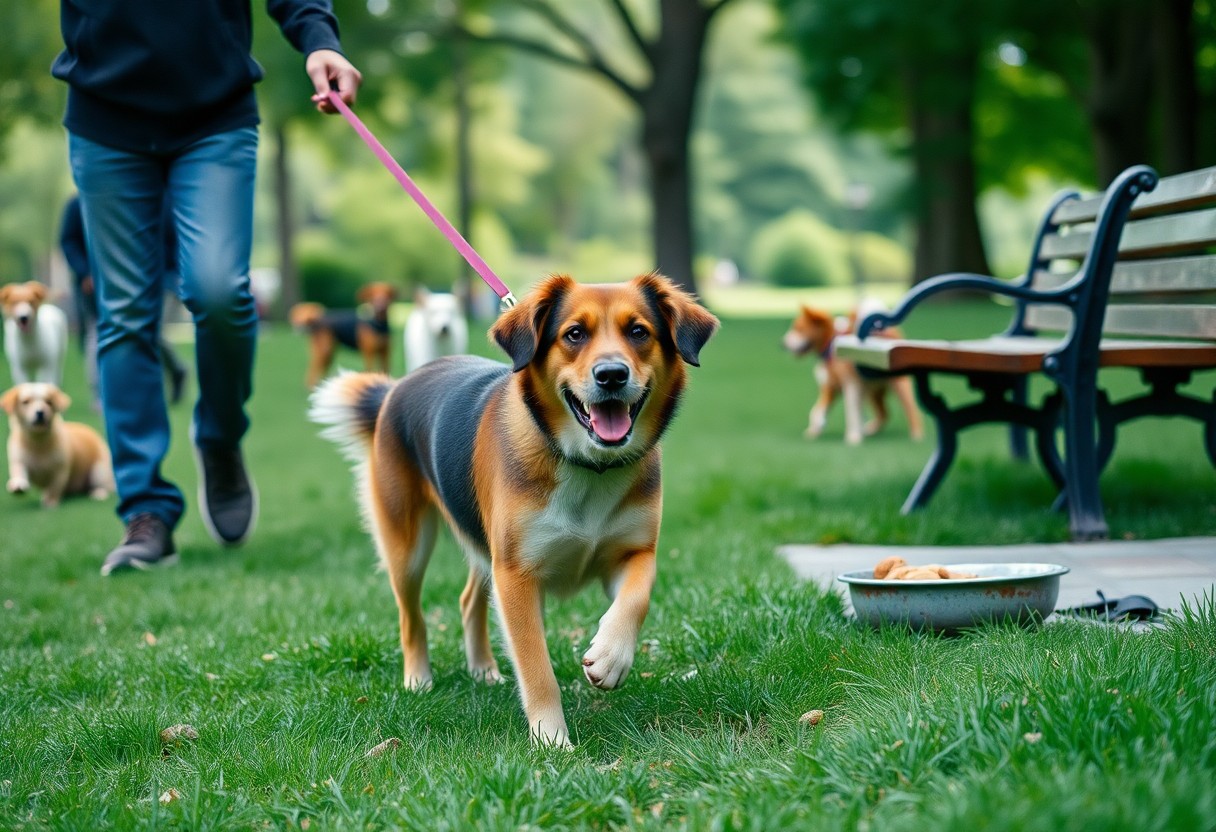
Enhancing your dog’s socialization is necessary for their emotional well-being. Use the following tips to aid this process:
- Engage in regular, positive interactions with other dogs.
- Introduce your pet to various environments.
- Utilize obedience training to build confidence.
- Attend group classes for social exposure.
Any effort you make in socializing your dog will pay off in their overall stability and happiness.
Gradual Exposure to New Experiences
Start by introducing your dog to new settings slowly. Begin with short visits to local parks or pet-friendly stores, gradually increasing the duration and variety of experiences. This process enables your dog to adjust comfortably to unfamiliar sights, sounds, and smells, which can substantially decrease stress. Always monitor your dog’s reactions and ensure they feel safe before moving on to more stimulating environments.
Encouraging Positive Interactions
Fostering positive connections with other pets and people is vital for your dog’s social development. Offer treats and praise during friendly encounters to reinforce good behavior and create positive associations with new friends. Consider scheduling playdates with well-mannered dogs to facilitate enjoyable experiences that emphasize interaction and play, helping to build your dog’s confidence around others.
This can be particularly effective with dogs that are naturally more reserved. Create scenarios where exploration and interaction are encouraged, like visiting dog parks during less crowded times or arranging meet-ups with friendly pups. Keep the atmosphere light and relaxed; a distracted or playful environment can help ease tension. Focused, positive reinforcements and gradual introductions will facilitate smoother social experiences, making it easier for your dog to thrive in new situations.
How-to Monitor Progress
Tracking your dog’s progress in managing stress-related issues requires consistent observation and assessment. Regularly evaluate their behavior, mood, and overall health to identify improvements or setbacks. Consider using a checklist of signs, such as changes in appetite, activity levels, or social interactions, to measure your dog’s response to the implemented care strategies. These insights will help you tailor your approach for optimal results.
Keeping a Stress Journal
Documenting your dog’s daily experiences in a stress journal allows you to identify patterns and triggers. Note behaviors, environmental factors, and any changes in routine that coincide with stress levels. Over time, this journal serves as a valuable resource for understanding your dog’s unique needs and adjusting care practices accordingly.
Adjusting Care Strategies as Needed
Care strategies should evolve based on your dog’s individual responses and changing circumstances. If you notice persistent stress despite current methods, re-evaluating your approach may yield better outcomes. This process could involve altering their environment, modifying routines, or introducing new calming techniques. For instance, if your dog remains anxious during social interactions, consider reducing the number of interactions and gradually reintroducing them in a controlled manner. Tailoring your strategies ensures that they align with your dog’s specific stressors and preferences.
Conclusion
Presently, easing stress-related illnesses in dogs requires your gentle care and attention. By providing a calm environment, regular exercise, proper nutrition, and mindful interaction, you can significantly improve your dog’s emotional well-being. Incorporating relaxation techniques and seeking professional guidance when necessary will further enhance your pet’s quality of life. Prioritizing your dog’s mental health not only alleviates stress-related issues but also strengthens your bond, leading to a happier, healthier companion.
FAQ
Q: What are common stress-related illnesses in dogs?
A: Common stress-related illnesses in dogs include anxiety disorders, gastrointestinal issues, excessive barking, destructive behavior, and changes in eating or sleeping habits.
Q: How can I identify if my dog is stressed?
A: Signs of stress in dogs include panting, drooling, whimpering, hiding, excessive barking, reduced appetite, and changes in body language such as tail tucking or flattened ears.
Q: What gentle care techniques can help ease my dog’s stress?
A: Gentle care techniques include creating a calm environment, providing a safe space, incorporating regular exercise, using soothing music or pheromone diffusers, and practicing positive reinforcement training.
Q: Are there any natural remedies to reduce stress in dogs?
A: Natural remedies may include herbal supplements like chamomile or valerian root, flower essences such as Rescue Remedy, and incorporating calming scents like lavender through diffusers or sprays.
Q: How important is routine in managing my dog’s stress?
A: Establishing a consistent routine can greatly help manage a dog’s stress by providing predictability in daily activities such as feeding, walking, and playtime, fostering a sense of security.