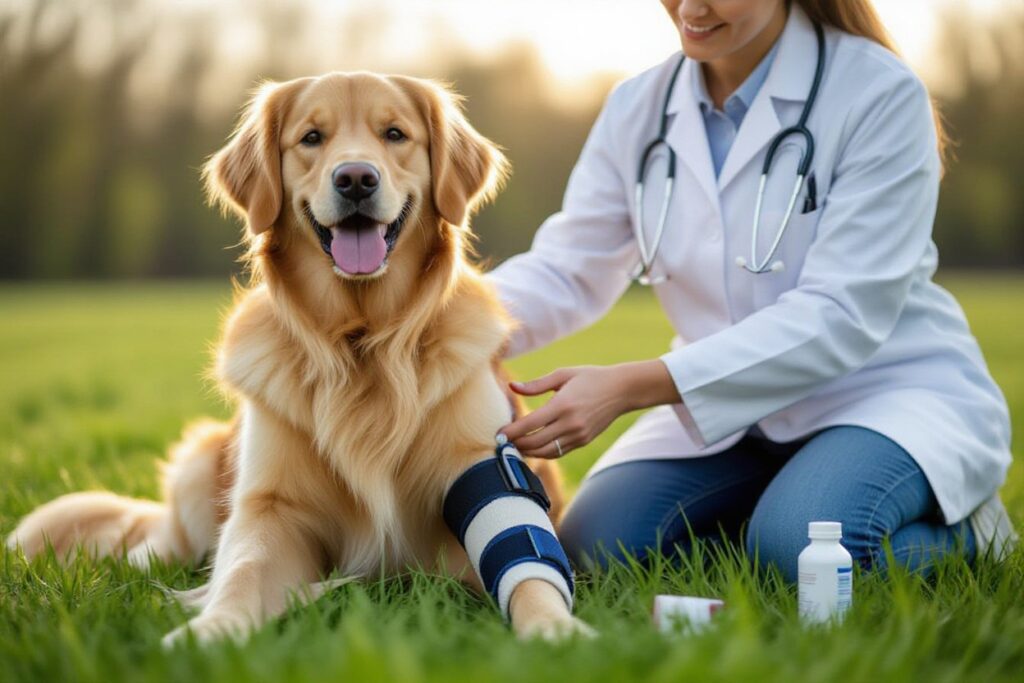
Dogs rely on strong knees to stay active and happy, so when your furry friend experiences a dog knee injury, it can be worrying. If you notice your dog limping or showing signs of discomfort, it’s important to understand cruciate ligament disease in dogs. This common condition affects their mobility but, with proper diagnosis and treatment — including options like TPLO surgery — your pet can regain comfort and an active lifestyle. Let’s explore what you need to know about causes, symptoms, and treatment to help your companion feel their best again.
Key Takeaways:
- Cruciate ligament disease in dogs is a common cause of canine lameness, often resulting from injury or gradual ligament wear, with breeds, age, and obesity as significant risk factors.
- Signs to watch for include limping, difficulty rising, swelling, and reluctance to play or exercise, which warrant prompt veterinary evaluation and diagnosis through physical exams and imaging.
- Treatment options range from conservative management to surgical interventions like TPLO, TTA, and extracapsular techniques, with post-operative care and rehabilitation playing a vital role in recovery.

What Is Cruciate Ligament Disease and Why It Matters
The cruciate ligaments are bands of strong tissue inside your dog’s knee joint that stabilise the leg during movement. When these ligaments partially or completely tear, your dog experiences pain, instability, and difficulty walking — this is what’s called cruciate ligament disease in dogs.
The Importance of Early Detection and Treatment
Spotting signs early means your dog can receive timely care to prevent further joint damage. Studies show that dogs undergoing TPLO surgery shortly after injury regain normal function faster and develop fewer complications.
Unpacking the Causes: Why Does Cruciate Ligament Disease Occur?
Cruciate ligament disease in dogs often develops due to breed predispositions, age, obesity, and trauma. Repeated stress weakens the ligament over time, leading to partial or complete tears.
Identifying the Signs
Limping, reluctance to jump or climb, stiffness, and swelling around the knee are common signs. Subtle changes like hesitation before lying down can also indicate early injury.
Diagnosis
Vets use hands-on exams (cranial drawer, tibial thrust) and imaging (X-rays, ultrasound, MRI) to confirm the condition and plan treatment.

Treatment Options
Surgical
TPLO and TTA alter biomechanics to stabilise the joint. Extracapsular repair suits smaller or less active dogs.
Non-Surgical
Strict rest, weight management, anti-inflammatories, and physiotherapy can help mild cases or older/small dogs.
The Road to Recovery
After surgery, rest, short controlled walks, and daily incision monitoring are key. Rehabilitation — physio, hydrotherapy, and strengthening — supports full recovery in 3–6 months.

Supporting Your Dog During Recovery
Set up a quiet, non-slip area at home, limit stairs, and keep regular vet check-ups. Tailored rehab and ongoing monitoring ensure the best outcomes.
Frequently Asked Questions
What is cruciate ligament disease?
It’s the deterioration or tearing of ligaments in a dog’s knee, causing pain, instability, and difficulty walking.
Which dogs are most at risk?
Labradors, Rottweilers, Newfoundlands, older dogs, and overweight pets are more prone.
How do vets diagnose it?
Physical exams, X-rays, and sometimes advanced imaging confirm the injury.
What treatments are available?
Surgical (TPLO, TTA, extracapsular) or non-surgical (rest, weight control, meds, physio).
How do I care for my dog after surgery?
Limit activity, follow a structured rehab plan, and use hydrotherapy or controlled walks to support recovery.
