
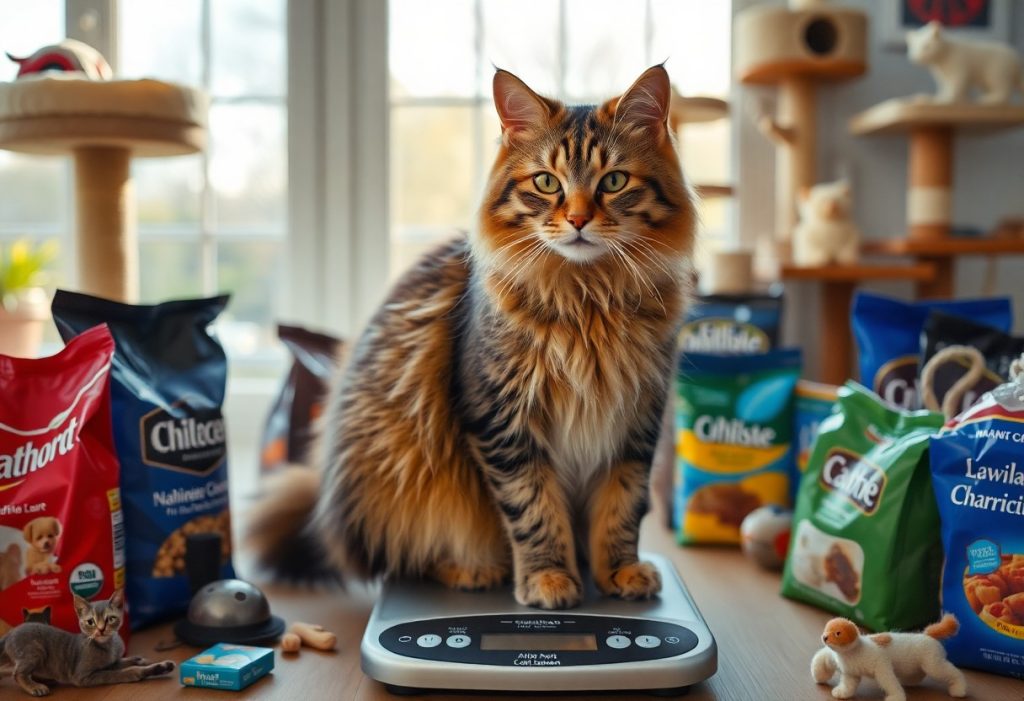
Many cat owners may notice that certain breeds are more prone to weight gain than others. Understanding the factors that contribute to this can help you better manage your cat’s health and wellbeing. Genetic predispositions, activity levels, and even dietary needs can vary significantly among breeds, making it crucial for you to tailor your cat’s care accordingly. By recognizing these differences, you can take proactive steps to ensure your feline friend maintains a healthy weight.
Understanding Cat Breeds
Your cat’s breed plays a significant role in its propensity to gain weight. Different breeds exhibit unique metabolic rates, activity levels, and body structures, which can influence their weight management. For example, some breeds are naturally more active and agile, while others may have a more sedentary disposition, contributing to higher instances of obesity.
Overview of Different Cat Breeds
Various cat breeds display distinct temperaments and activity levels. For instance, the Siamese is known for its playful nature and high energy, whereas the British Shorthair often shows a more laid-back approach. Understanding these differences can help you tailor your cat’s diet and exercise plan to its specific breed characteristics.
Genetic Factors Influencing Weight
Genetics plays a pivotal role in determining your cat’s likelihood of becoming overweight. Certain breeds, such as the Persian or Bengal, may be predisposed to obesity due to inherited traits affecting metabolism and appetite regulation. Additionally, genes regulating fat storage can influence how efficiently your cat converts food into energy.
- Genetic predisposition
- Metabolism rates
- Breed traits
Understanding how genetics affects weight involves examining specific breeds known for their weight-related issues. For example, the Ragdoll may have a slower metabolism, while the Scottish Fold is more prone to overeating. You can significantly impact your cat’s health by recognizing these genetic factors early on. Thou must consider these aspects when managing your furry friend’s weight.
- Breed-specific concerns
- Appetite regulation
- Health monitoring

Metabolism and Activity Levels
Your cat’s metabolism plays a significant role in its overall weight management. Factors such as age, genetics, and breed determine how efficiently your cat converts food into energy. Generally, younger cats and those with a higher muscle mass tend to have faster metabolic rates, allowing them to burn calories more effectively. In contrast, older cats or those with certain breeds may experience a slower metabolism, making weight gain more likely if diet and exercise aren’t closely monitored.
Metabolic Rates in Various Breeds
Specific breeds exhibit distinct metabolic rates that influence their weight tendencies. For example, Oriental and Siamese cats tend to have higher metabolic rates, leading to increased caloric needs, whereas breeds like Persians and British Shorthairs are often less active and may have slower metabolisms. This difference underscores the importance of tailoring your cat’s diet and exercise regimen to their specific breed characteristics.
Activity Levels and Their Impact on Weight
Activity levels directly affect your cat’s ability to maintain a healthy weight. Cats that engage in regular play and exercise are more likely to stay fit, while those that lead sedentary lifestyles can quickly accumulate excess weight. Outdoor cats typically have higher activity levels, which correlates with better weight management compared to their indoor counterparts, who may benefit from structured playtime.
Engaging your cat in daily interactive play can significantly improve its activity level. Activities such as feather toys, laser pointers, or even puzzle feeders stimulate both the body and mind, encouraging your cat to burn calories. Setting aside dedicated time for play can help counteract the natural inclination towards a more sedentary lifestyle, particularly for breeds prone to weight gain. Prioritizing active play sessions not only supports their physical health but also enhances their mental well-being, creating a well-rounded environment for your feline friend.
Dietary Needs and Preferences
Your cat’s dietary needs vary significantly between breeds, impacting their weight management. Some breeds require higher protein content, while others thrive on balanced fat and carbohydrates. Understanding these specific preferences can help you select the right food for your feline, preventing obesity and promoting overall well-being.
Breed-Specific Nutritional Requirements
Selecting food tailored to your cat’s breed can make a remarkable difference in their weight. For example, Siamese cats may need a higher percentage of protein due to their active nature, while Persian cats benefit from a diet low in carbohydrates to prevent weight gain. Customizing nutrition according to breed fosters a healthy lifestyle.
The Role of Feeding Habits in Weight Gain
Your feeding habits significantly influence your cat’s likelihood of gaining weight. Frequent feeding of high-calorie treats or free-feeding can easily lead to excessive calorie intake, especially in less active breeds. Finding the right balance and sticking to a structured feeding schedule supports weight management.

Environmental Influences
Your cat’s environment significantly impacts its weight gain potential. Factors such as the availability of food, space for play, and stress levels in the household can all contribute to obesity. For instance, cats in multi-pet households might have competition for food, while those in a stimulating environment with ample play opportunities are less likely to become sedentary.
Lifestyle and Living Conditions
Your cat’s lifestyle largely depends on its living conditions. Indoor cats often have less room to roam and less stimulation than their outdoor counterparts. A hyper-stimulated environment, complete with climbing structures and interactive toys, encourages physical activity and can prevent weight gain. On the other hand, a lack of exercise and mental engagement fosters a sedentary lifestyle, leading to obesity.
Interaction with Owners and Other Pets
How you interact with your cat and other pets in the home directly influences their weight. Regular playtime fosters an active lifestyle, while neglecting exercise can lead to weight issues. Additionally, if your cat is in competition for food with other pets, they may eat quickly and overconsume, contributing to weight gain.
Interactive play sessions with you serve not only as exercise but also strengthen the emotional bond between you and your cat, creating a more active and engaging environment. Scheduled feeding times can help regulate intake, reducing the temptation for your cat to overeat due to competition. If other pets are present, ensuring that each animal has its own feeding space can prevent skirmishes and encourage more mindful eating habits, crucial for maintaining a healthy weight.
Health Conditions
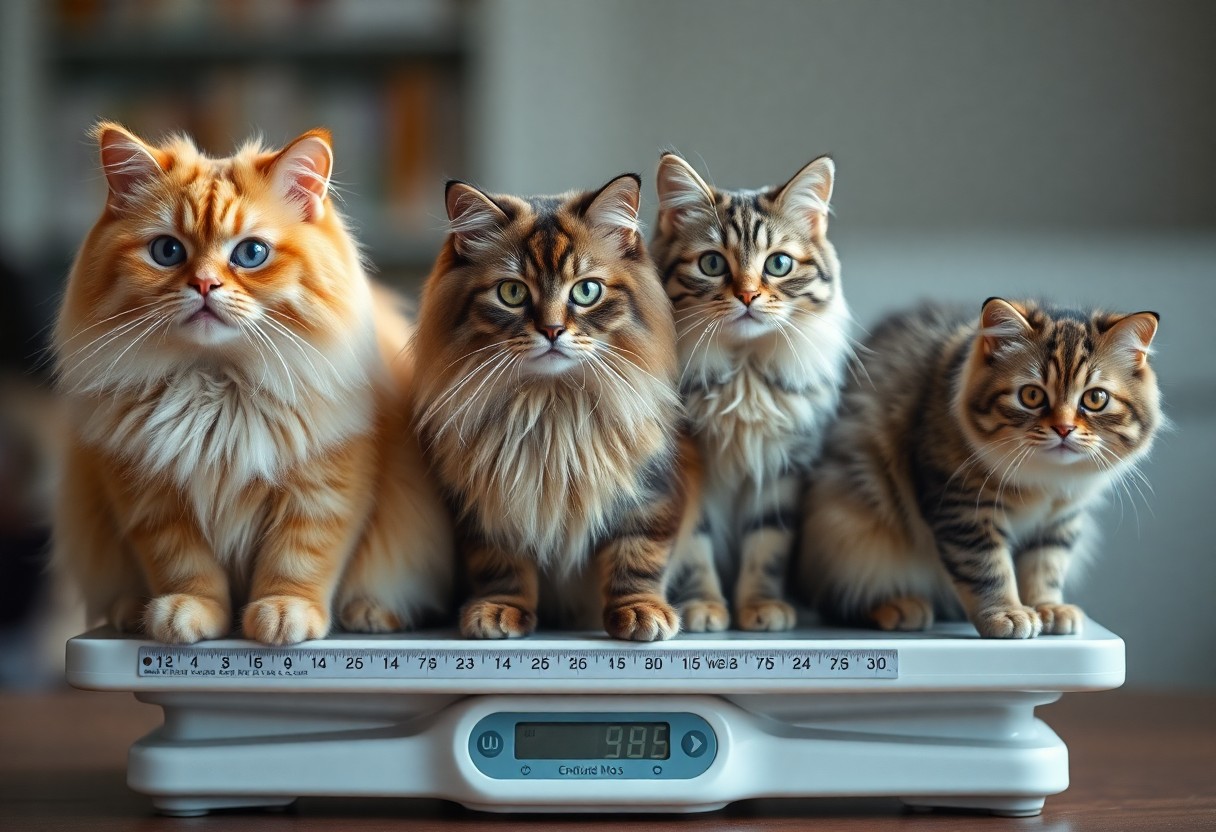
Various health conditions can significantly impact a cat’s weight, leading to obesity or unintentional weight loss. Conditions such as hypothyroidism, diabetes mellitus, and certain types of cancer can alter metabolism and appetite. As a cat owner, being vigilant about your pet’s behavior, eating habits, and any changes in weight is important. Early detection of health issues is vital for effective treatment and maintaining a healthy weight.
Common Health Issues Affecting Weight
Hypothyroidism, which is less common in cats than in dogs, can cause lethargy and weight gain. Diabetes mellitus frequently manifests as excessive thirst and urination, often leading to weight loss despite a good appetite. Additionally, chronic kidney disease may result in a cat eating less and losing weight, while some cancers can cause metabolic changes that prevent weight gain or lead to loss.
The Role of Veterinary Care
Your veterinarian plays an important role in maintaining your cat’s health and weight. Regular check-ups can help identify underlying health issues that may contribute to weight changes. During these visits, your vet will perform physical examinations, blood tests, and recommend appropriate dietary adjustments or treatments tailored to your cat’s specific needs.
Veterinary care extends beyond just diagnosing conditions; it includes executing an ongoing plan for your cat’s health. For instance, if your cat is diagnosed with diabetes, your vet may suggest a specific diet and insulin therapy to manage its condition. Through consistent follow-ups, your vet can monitor weight trends and offer guidance for safe weight loss or weight management strategies, ensuring your cat enjoys a healthier, longer life.
Managing Weight in Cats
Weight management involves a multi-faceted approach, requiring commitment to your cat’s diet, exercise, and overall wellbeing. Regular veterinary check-ups help you monitor your cat’s weight and detect any health issues early. Structured feeding times and measured portions are vital in controlling calorie intake. Incorporating playtime and interactive toys not only promotes physical activity but also strengthens your bond with your feline friend.
Effective Weight Management Strategies
Implementing effective weight management strategies starts with proper nutrition. Choose high-quality, specific weight management cat food that is low in calories yet rich in nutrients. Establishing a feeding schedule is necessary, as free feeding can lead to overeating. You can also incorporate puzzle feeders to make mealtime engaging, promoting slower eating habits and reducing overall calorie intake.
Tailoring Approaches to Specific Breeds
Understanding your cat’s breed can significantly influence your weight management strategies. For example, Senior breeds like Persians may require lower-calorie diets due to slower metabolisms, while active breeds such as Abyssinians benefit from higher energy foods. Tailoring your approach based on breed characteristics ensures that you address specific needs, leading to more effective weight management outcomes.
Each breed exhibits unique traits impacting their tendency to gain weight. For instance, British Shorthairs are predisposed to obesity due to their stocky build and lower activity levels, necessitating a controlled diet and routine exercise. In contrast, Oriental breeds, known for being more active, might need calorie-rich diets to sustain their energy levels. Adapting your weight management strategy to accommodate these variations can help maintain optimal health and weight for your feline companions.
Summing up
Now that you understand the breed insights behind why some cats are more likely to gain weight, you can make informed decisions to manage your feline’s health. Certain breeds, such as Persians and Ragdolls, have a predisposition to obesity due to factors like metabolism and activity levels. By tailoring your cat’s diet and promoting regular exercise, you can significantly reduce their risk of weight gain, ensuring they lead a healthier and happier life.
FAQ
Q: Which cat breeds are more prone to weight gain?
A: Breeds such as British Shorthair, Maine Coon, and Persian are often more likely to gain weight due to their genetic predispositions and lower activity levels.
Q: How does metabolism affect a cat’s weight?
A: Cats with slower metabolisms may gain weight more easily than those with higher metabolisms, making energy expenditure an important factor in weight management.
Q: What role does diet play in a cat’s weight gain?
A: Diet contributes significantly to weight gain; high-calorie foods and free-feeding practices can lead to obesity in genetically predisposed breeds.
Q: Does age influence a cat’s likelihood of gaining weight?
A: Yes, as cats age, their metabolism slows and activity levels may decrease, increasing the risk of weight gain, particularly in certain breeds.
Q: Can spaying or neutering lead to weight gain in cats?
A: Yes, spaying or neutering can alter a cat’s hormone levels, which may lead to increased appetite and weight gain, particularly in breeds predisposed to obesity.