
It’s terrifying when your pet faces an emergency. You provide care for Knaresborough, Harrogate, and North Yorkshire, and you need to act fast. Trust your instincts if you are worried; immediate action can be life-saving. This general guidance is not a substitute for a professional veterinary examination, but it prepares you for those critical first 10 minutes.
The Critical First 10 Minutes: Assessment and Action
Initial Safety and 60-Second Check
Your immediate safety comes first. In the first 60 seconds, secure your pet and surroundings. Check three key things: your pet’s breathing, consciousness, and any obvious severe bleeding. This quick assessment guides your next urgent vet Harrogate actions.
Step-by-Step Action Plan
You need a clear path when facing a pet emergency. Follow step-by-step actions for an urgent vet Harrogate. A decision tree helps you determine if the situation requires immediate intervention, guiding your response effectively.
Following a structured plan minimizes panic and maximizes effective response. You will utilize a decision tree to quickly determine if the situation requires immediate intervention from an emergency vet Harrogate. This tool helps you categorize the urgency and ensures you take appropriate steps, potentially saving precious time.
| Emergency Action Guide | |
|---|---|
| Step 1 | Assess immediate danger to yourself and your pet. |
| Step 2 | Check for breathing, consciousness, and severe bleeding in the first 60 seconds. |
| Step 3 | Consult the decision tree for intervention urgency. |
| Step 4 | Contact your urgent vet Harrogate immediately if intervention is required. |
Recognising Emergency Red Flags
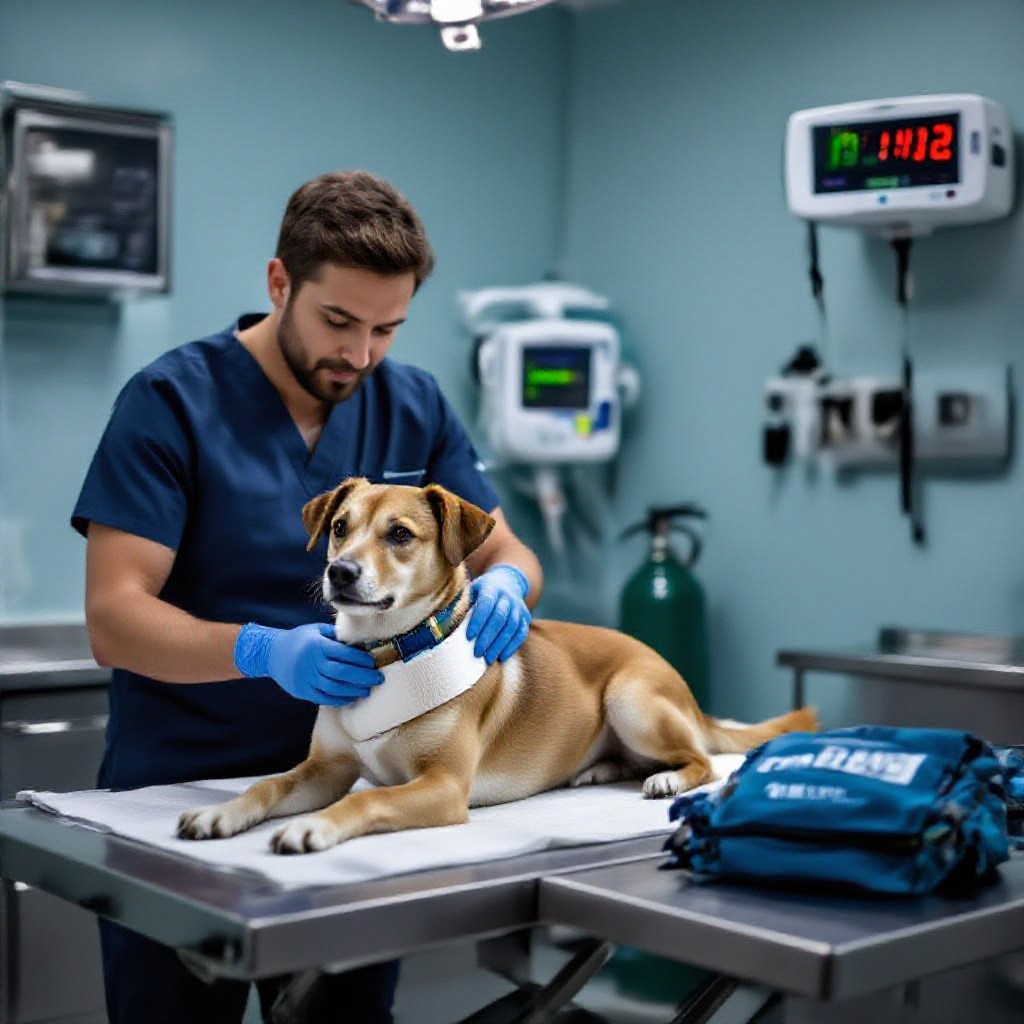
Understanding immediate pet emergency signs is paramount for knowing when to contact an out of hours vet in Harrogate. You must be able to quickly identify critical issues such as breathing problems, choking, and seizures, which demand immediate attention. Other critical situations include road traffic accidents and heatstroke, alongside specific signs of urinary blockage and bloat symptoms.
Respiratory and Neurological Distress
You must recognize signs like difficulty breathing, choking, or active seizures as immediate emergencies. These symptoms require an out of hours vet Harrogate consultation without delay, as your pet’s life could depend on swift action.
Physical Trauma and Critical Blockages
Spotting signs of trauma, such as those from a road traffic accident, or recognizing symptoms of heatstroke is critical. You also need to look for specific signs of urinary blockage and bloat symptoms, which are life-threatening conditions.
You have to be vigilant for physical trauma, especially after a road traffic accident, which can cause internal injuries not immediately visible. Heatstroke is another severe condition, often preventable, but requiring urgent veterinary intervention if symptoms appear. Specific signs of urinary blockage, such as straining to urinate or no urine production, and bloat symptoms, like a distended abdomen and unproductive retching, indicate a life-threatening emergency that demands immediate contact with an out of hours vet in Harrogate.
Toxin Ingestion and Household Hazards
Suspecting your pet ingested something harmful requires immediate action. You must manage ingestion of chocolate, grapes, raisins, or xylitol quickly. Identifying vomiting and diarrhoea combined with lethargy are critical signs to watch for.
Common Poisonous Substances
Recognizing common toxins is key. You should act fast if your pet consumes chocolate, grapes, raisins, or xylitol. These substances can cause severe reactions.
Gastrointestinal and Metabolic Emergencies
Observing vomiting and diarrhoea combined with lethargy signals a potential emergency. You need to determine if it is safe to monitor your pet at home.
Determining when to seek veterinary help for gastrointestinal issues can be challenging. If your pet exhibits vomiting and diarrhoea combined with lethargy, this combination of symptoms is a strong indicator that professional medical attention is necessary. While some mild upset stomachs might resolve on their own, the presence of lethargy suggests a more serious underlying problem, potentially related to toxin ingestion or another metabolic emergency. You should contact your emergency vet in Harrogate for guidance.
Preparing to Call the Vet
Gathering information *before* you call the vet can save precious time in an emergency. You should call for guidance first via https://yfvets.co.uk/contact-us/. Have your pet’s age, breed, symptoms, onset time, and current medication ready. Identify any known toxin ingestion before calling.
The Emergency Phone Script
Having a clear script ready will help you communicate effectively. You will be able to concisely explain your pet’s situation, including their age, breed, and specific symptoms, allowing the vet to quickly understand the emergency.
Vital Information Checklist
Creating a checklist ensures you do not miss any critical details during a stressful call. You will need to confirm your pet’s age, breed, and precisely describe their symptoms and when they started.
This checklist is your guide to providing the most complete picture to the veterinary team. You must know your pet’s exact age and breed. Describe the symptoms in detail, noting the precise onset time, and list all current medications your pet is taking. You also need to confirm if there has been any known toxin ingestion, as this information is critical for immediate treatment planning.
Safe Transport to the Clinic
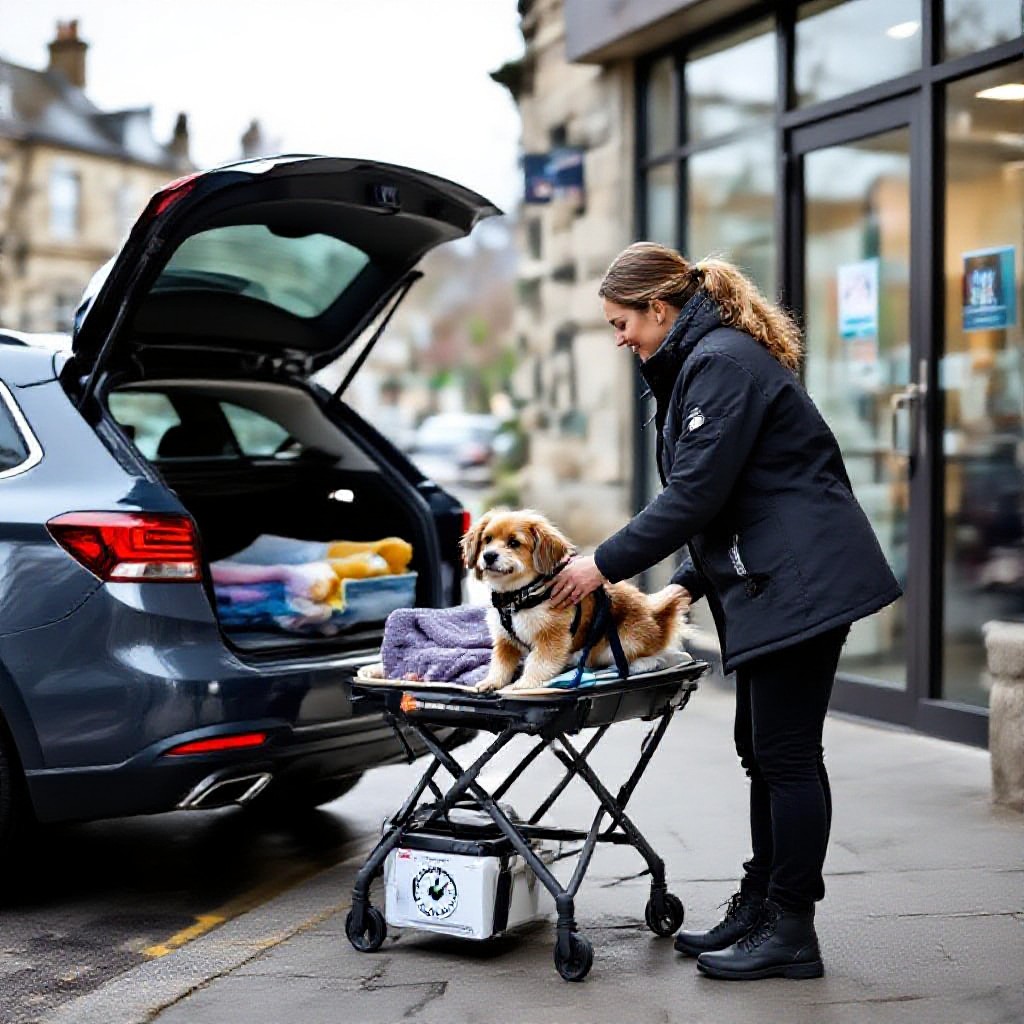
Securing your pet for travel is paramount. You can find guidance on how to transport your pet safely to an emergency vet near me by accessing emergency care details at https://yfvets.co.uk/emergency-care/. This information is invaluable for pet owners in the wider Knaresborough and North Yorkshire community.
Securing Injured Pets for Travel
Carefully move your injured pet. A blanket or towel can become a makeshift stretcher, minimising further injury. Prioritise their comfort and stability during the journey.
Arrival Procedures at the Practice
Upon arrival, remain calm and follow staff instructions. You will receive immediate guidance to ensure your pet gets prompt attention.
Your arrival at the practice marks a critical juncture. You will be directed by our team, who are ready to assist you and your pet. This structured approach helps us provide efficient and timely care in what can be a stressful situation for everyone involved.
Costs, Insurance, and Registration
Managing Emergency Costs and Insurance
Financial considerations arise during emergencies. You can view all fee-related information at https://yfvets.co.uk/prices/. Pet insurance provides necessary emergency cover, helping manage unexpected veterinary costs.
Routine Care and New Client Registration
Booking routine appointments is simple. You can schedule consultations at https://yfvets.co.uk/consultations/ or register your pet as a new client at https://yfvets.co.uk/register-your-pet/.
Registering your pet beforehand streamlines future visits, including emergencies. You can complete the new client registration process online, ensuring your pet’s details are on file. This proactive step saves valuable time when you need urgent assistance or when booking routine check-ups and vaccinations.
Conclusion
As a reminder, staying calm and acting swiftly in a pet emergency in Harrogate or Knaresborough is key. You can find comprehensive support and immediate next steps by visiting our primary emergency resources at https://yfvets.co.uk/emergency-care/. Your quick response can make all the difference for your pet.
Emergency Vet in Harrogate: What to Do in the First 10 Minutes
Pet emergencies can be frightening. When your beloved animal is unwell or injured, quick, calm action makes a real difference. This guide helps pet owners in Harrogate and North Yorkshire understand what to do in those critical first minutes if you suspect your pet needs urgent veterinary attention. Your Family Vets in Knaresborough is here to support you and your pet.
If you’re worried, trust your instincts
You know your pet best. If something feels wrong, do not hesitate to seek advice. Changes in behaviour, appetite, or energy levels can be early indicators of a serious problem. It is always better to call for advice, even if you are unsure.
The first 60 seconds: stay safe and check these 3 things
Your safety is paramount. An injured or distressed pet may act unpredictably, even towards their owner. Approach with caution. Once safe, quickly assess these three areas:
- Breathing: Is your pet breathing normally? Look for shallow, rapid, or laboured breathing.
- Consciousness: Is your pet alert and responsive? Do they respond to their name or touch?
- Bleeding: Are there any obvious signs of external bleeding? Apply gentle pressure to any visible wounds.
The first 10 minutes: step-by-step actions you can take
After your initial safety checks, these steps guide your actions:
- Stay Calm: Your pet can sense your anxiety. A calm approach helps you think clearly.
- Prevent Further Injury: Move your pet to a safe, quiet space if possible. Keep children and other pets away.
- Call Your Family Vets Immediately: Do not delay. Describe what has happened and your pet’s symptoms. Our team will provide immediate guidance. Find our contact details on our Contact Us page.
- Gather Information: Prepare to tell the vet about your pet’s age, breed, symptoms, when they started, and any known incidents like toxin ingestion.
- Prepare for Transport: If advised to bring your pet in, think about how you will transport them safely. Use a secure carrier for cats and small dogs, or a sturdy blanket for larger dogs to create a makeshift stretcher.
Call Now If:
- Severe bleeding or trauma
- Difficulty breathing or choking
- Collapse or unconsciousness
- Persistent seizures
- Severe pain or crying out
- Known ingestion of toxins
- Bloated abdomen, especially with retching
- Inability to urinate or severe straining
- Sudden paralysis or weakness
- Uncontrolled vomiting or diarrhoea with lethargy
Red flags: when you should call an emergency vet immediately
Some situations demand immediate veterinary attention. Do not wait for symptoms to worsen. Always call an emergency vet in Harrogate if you observe any of the following:
- Your pet is struggling to breathe.
- They have collapsed or are unresponsive.
- Your pet is having a seizure that lasts more than a few minutes or has multiple seizures.
- There is heavy bleeding from an injury.
- You suspect your pet has ingested something poisonous.
- Your pet is trying to vomit but nothing is coming up (retching), especially if their abdomen looks distended.
- They are showing signs of severe pain, such as crying out, hiding, or aggression.
- Your pet has been hit by a car or suffered a significant fall.
- They are unable to urinate or are straining intensely.
Common emergencies we see in Harrogate and what owners should do
We see a range of urgent cases at our practice serving Harrogate and North Yorkshire. Knowing what to do in these specific situations can be helpful.
Breathing problems
If your pet is panting excessively, struggling for breath, has blue-tinged gums, or is making unusual noises when breathing, this is a serious emergency. Keep them calm and quiet. Call an urgent vet in Harrogate straight away.
Seizures
During a seizure, protect your pet from injuring themselves by moving furniture away. Do not put your hands in their mouth. Time the seizure if possible. Once it passes, keep them quiet and contact us for advice. If the seizure lasts longer than 5 minutes, or multiple seizures occur, seek immediate emergency vet care.
Vomiting and diarrhoea with lethargy
Occasional vomiting or diarrhoea can happen. However, if it is severe, frequent, contains blood, or is accompanied by lethargy, weakness, or abdominal pain, it requires prompt veterinary attention. Dehydration can quickly become a serious issue.
Road traffic accidents
If your pet has been involved in a road traffic accident, assume there are internal injuries even if none are visible. Approach with extreme caution. Use a blanket or coat as a makeshift stretcher to move them carefully. Call an out of hours vet in Harrogate immediately.
Choking
If your pet is choking, they may paw at their mouth, gag, or struggle to breathe. If you can safely see a foreign object and remove it with tweezers, do so carefully. Do not push it further down. If you cannot remove it or your pet is still choking, seek immediate veterinary help. Our team can guide you over the phone.
Toxin ingestion (chocolate, grapes, raisins, xylitol)
Many common household items are toxic to pets. If you suspect your pet has eaten something poisonous like chocolate, grapes, raisins, or xylitol (found in sugar-free products), gather any packaging. Do not try to make your pet vomit unless specifically instructed by a vet. Call an emergency vet near me without delay.
Urinary blockage signs
Straining to urinate, frequent attempts to urinate with little or no success, crying out in the litter tray, or licking the genital area excessively can indicate a urinary blockage, especially in male cats. This is a life-threatening emergency. Contact us immediately.
Heatstroke
Symptoms of heatstroke include excessive panting, drooling, lethargy, vomiting, diarrhoea, and collapse. Move your pet to a cool area. Offer small amounts of water. You can gently wet their fur with cool (not cold) water, focusing on their paws and groin. Do not use ice. Call an emergency vet in Harrogate for urgent advice.
Bloat symptoms
Bloat (Gastric Dilatation-Volvulus or GDV) is a rapid, life-threatening condition primarily affecting deep-chested dogs. Symptoms include a distended abdomen, unproductive retching, restlessness, drooling, and pain. This requires immediate emergency veterinary care.
When it might be safe to monitor at home
Sometimes, minor issues can resolve with careful monitoring. For example, a single, isolated vomit without other symptoms, or a very mild lameness that improves with rest. However, if you are ever unsure, or if symptoms worsen, it is always best to call for advice. Our team can help you decide when to take my pet to the vet for a consultation or when immediate emergency care is needed.
Before You Call, Have This Ready:
- Pet’s age and breed
- Specific symptoms observed
- When the symptoms started
- Details of any known toxin ingestion (product, amount, time)
- Any current medications your pet is taking
What to tell the vet on the phone (script and checklist)
When you call, try to be as clear and concise as possible. A structured approach helps us understand the situation quickly:
- “My pet is [pet’s name], a [breed] of [age] years.”
- “The problem started [time/date] and the main symptoms are [list 2-3 key symptoms].”
- “I noticed [specific incident, e.g., ‘they ate chocolate’, ‘they were hit by a car’].”
- “My pet is currently [briefly describe their state, e.g., ‘breathing heavily’, ‘unresponsive’].”
- “They are currently taking [any medication].”
Decision Tree Flow:
- Is pet breathing normally?
- No -> Call emergency vet now.
- Yes -> Proceed.
- Is pet conscious and responsive?
- No -> Call emergency vet now.
- Yes -> Proceed.
- Is there severe bleeding?
- Yes -> Apply pressure, call emergency vet now.
- No -> Proceed.
- Are there other severe symptoms (e.g., persistent vomiting, seizures, severe pain)?
- Yes -> Call emergency vet now.
- No -> Call for advice or monitor if minor and isolated.
How to transport your pet safely
Safe transport protects both you and your pet. For cats and small dogs, use a secure, well-ventilated carrier. Cover the carrier with a blanket to reduce stress. For larger dogs, a sturdy blanket or board can act as a stretcher. Have someone assist you if possible. Keep your pet restrained in the car to prevent further injury or distraction. Drive carefully and directly to the clinic.
If you’re worried about costs
Concerns about veterinary costs are understandable. We believe every pet deserves care. We encourage you to discuss your concerns with us openly. Our team can provide guidance on potential costs. You can find general information about our fees on our Prices page.
Pet insurance can provide significant financial support during emergencies. If you have pet insurance, inform us when you arrive. Many policies cover emergency treatment. Even without insurance, we can discuss payment options. Calling us first allows us to give you initial advice and discuss the best course of action.
FAQ
Q: What are the most common pet emergency signs I should look for in Harrogate?
A: Pet emergency signs include difficulty breathing, prolonged seizures, severe bleeding, collapse, inability to urinate, persistent vomiting or diarrhoea with lethargy, and suspected toxin ingestion. Trust your instincts if your pet seems significantly unwell. Our team can help determine when to take my pet to the vet.
Q: How quickly should I contact an urgent vet in Harrogate if my pet seems ill?
A: You should contact an urgent vet in Harrogate immediately if you observe any serious symptoms or sudden changes in your pet’s health. Early intervention often leads to better outcomes. Do not delay seeking advice, especially for conditions like breathing difficulties or suspected poisoning.
Q: What should I do if my pet has an emergency out of hours in North Yorkshire?
A: If your pet has an emergency out of hours in North Yorkshire, call our practice number. We provide emergency care and will guide you on the next steps, whether that involves bringing your pet to our Knaresborough clinic or directing you to appropriate care.
Q: Can I monitor my pet at home if they have mild symptoms, or should I always call an emergency vet near me?
A: For very mild, isolated symptoms (e.g., a single vomit without other signs of illness), careful monitoring at home might be appropriate. However, if symptoms worsen, persist, or if you are at all concerned, always call an emergency vet near me for advice. Our team can help assess the situation over the phone.
Q: My pet ingested something I think is toxic. What should I tell the emergency vet in Harrogate?
A: If your pet ingested a suspected toxin, tell the emergency vet in Harrogate what they ate, how much, and when. Bring any packaging with you. Do not try to make your pet vomit unless specifically instructed by a veterinary professional.
Q: How can I prepare for a pet emergency in advance, living near Knaresborough?
A: Preparing for a pet emergency near Knaresborough involves knowing your vet’s emergency care procedures, having pet insurance, and keeping our contact number readily available. Consider creating a pet first-aid kit. You can also register your pet with us in advance.
Q: What is the process for emergency vet care at Your Family Vets for pet owners in Harrogate?
A: For pet owners in Harrogate, the process for emergency vet care at Your Family Vets begins with a phone call. Our team will assess your pet’s situation, provide immediate advice, and arrange for you to bring your pet to our Knaresborough clinic if necessary. We focus on providing prompt and compassionate care.
Q: What if I am worried about the cost of emergency vet treatment in Harrogate?
A: If you are worried about the cost of emergency vet treatment in Harrogate, please discuss your concerns with our team. We can provide guidance on potential expenses. Pet insurance helps cover unexpected costs. You can also find general information on our Prices page.
Clear next steps: Call us or register your pet
Your pet’s health is our priority. If you are concerned about your pet, do not hesitate. Contact Your Family Vets immediately for expert advice and compassionate care. We are here for pet owners across Harrogate and North Yorkshire.
For urgent care, call us directly: Your Family Vets Emergency Care.
If you are new to the area or have a new pet, please register your pet with us today to ensure seamless care when you need it most.
Disclaimer: This article provides general guidance and is not a substitute for professional veterinary examination, diagnosis, or treatment. Always seek the advice of a qualified veterinary professional for any questions regarding your pet’s medical condition.
